Home Blog

Best 12 Uganda Wilderness Parks for Self-Drive
0
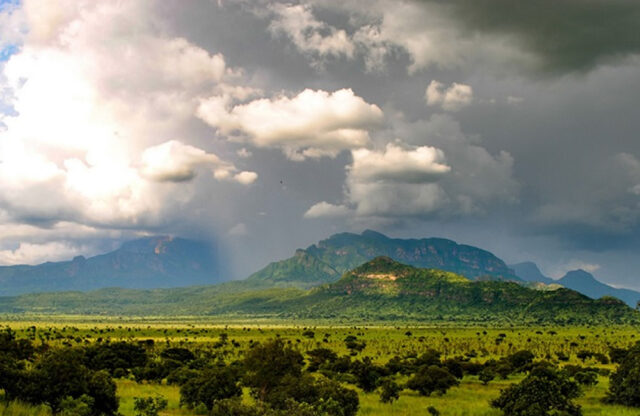
Pian Upe Wildlife Reserve

There are journeys you take, and then there are journeys that alter your sense of scale, silence, color, and freedom. A self-drive in Uganda belongs firmly in the second category. It is not merely a holiday arrangement or a convenient way to move from one destination to another. It is an immersion into a country of astonishing contrasts, where a morning may begin in the mist-laden highlands of Bwindi, drift through the copper glow of an equatorial sunrise over Lake Mburo, and end with the thunderous spray of Murchison Falls or the warm, riverine hush of the Nile at Jinja.

Uganda is not a place you simply pass through. It is a place you enter, absorb, and carry with you long after the engine cools.

Below are the best national parks to visit on your self-drive road trip in Uganda.

1. Lake Mburo National Park

The less known Lake Mburo National Park is one of the smartest inclusions on a Self drive in Uganda itinerary because it is both accessible and distinctive. UWA describes it as the closest of Uganda’s national parks to the capital, while tourism sources emphasize its position between Kampala and Mbarara. It is the park for zebras, acacia-fringed landscapes, lake scenery, and a softer, more intimate safari mood.

2. Bwindi Impenetrable National Park

Bwindi is the emotional summit of many self-drive journeys. UWA describes it as one of Africa’s most ancient and biologically diverse rainforests, while UNESCO notes its exceptional biodiversity and mountain gorilla habitat. The road into Bwindi forest feels like a pilgrimage into mist, altitude, and old forest. Few destinations in Africa combine ecological gravity and emotional force so completely.

3. Mgahinga Gorilla National Park

Mgahinga has a rarer, more sculpted grandeur than many travelers expect. UWA places it high in the Virunga landscape and notes its importance for both mountain gorillas and the endangered golden monkey. For self-drivers, it is a superb choice when the desire is not only gorilla country, but volcanic scenery, bamboo forest, and a journey that feels slightly more secluded and elevated.

4. Queen Elizabeth National Park

The diverse Queen Elizabeth National Park is a great all-rounder. UWA describes it as Uganda’s most popular and biodiverse safari destination, rich in landscapes, wildlife, and cultural heritage. For self-drivers, it rewards variety: crater lakes, open plains, the Kazinga Channel corridor, and the possibility of dramatic game viewing across multiple sectors. It is not merely a stop. It is a whole chapter.

5. Kibale National Park

Kibale gives your Uganda road trip route a primate-rich, rainforest character. UWA describes it as renowned for primate diversity, with chimpanzee tracking as its flagship experience. This is where the road yields to dense green architecture, canopy movement, and the electric feeling that the forest is observing you as closely as you are observing it. It is one of Uganda’s most intelligent landscapes.

6. Semuliki National Park

Semuliki National Park introduces a different ecological register altogether. UWA describes it as a biodiversity hotspot with abundant mammals and remarkable birdlife, while official park literature situates it in the Semliki Valley on the western side of the Rwenzoris. It feels humid, lowland, and almost Central African in atmosphere. For drivers who crave variation, Semuliki is a sophisticated and memorable detour.

7. Rwenzori Mountains National Park

Few places make a self-drive itinerary feel more epic than the Rwenzori. UWA describes the range as the legendary “Mountains of the Moon,” with snow-capped peaks, montane forests, and moorlands, while UNESCO highlights waterfalls, lakes, glaciers, and exceptional alpine beauty. Even for travelers who do not undertake a full expedition, simply reaching the foothills changes the emotional scale of the trip.

8. Ziwa Rhino Sanctuary

Ziwa is one of the most strategically satisfying stops on a northern self-drive circuit. Official sanctuary and UWA sources note that it is Uganda’s rhino trekking location and home to the country’s white rhino breeding effort. That alone gives it unusual conservation significance. It also breaks the long road north beautifully, turning a transfer day into a meaningful wildlife experience on foot.

9. Murchison Falls National Park

The vast Murchison Falls is the kind of place that justifies long distances. UWA describes it as Uganda’s oldest and largest conservation area, centered on the Nile and the spectacular falls that give the park its name. It combines river drama with classic savannah safari appeal, making it one of the most complete destinations in the country. On a self-drive in Uganda, it feels vast, elemental, and profoundly rewarding.

10. Pian Upe Wildlife Reserve

The remote Pian Upe is for travelers who value remoteness and understatement. Explore Uganda describes it as Uganda’s second-largest protected area and a rugged, remote wildlife experience in the northeast. Because it is less visited than the major parks, it carries a strong sense of discovery. On a self-drive circuit through eastern or northeastern Uganda, it adds breadth, solitude, and a more unvarnished wilderness mood.

11. Kidepo Valley National Park

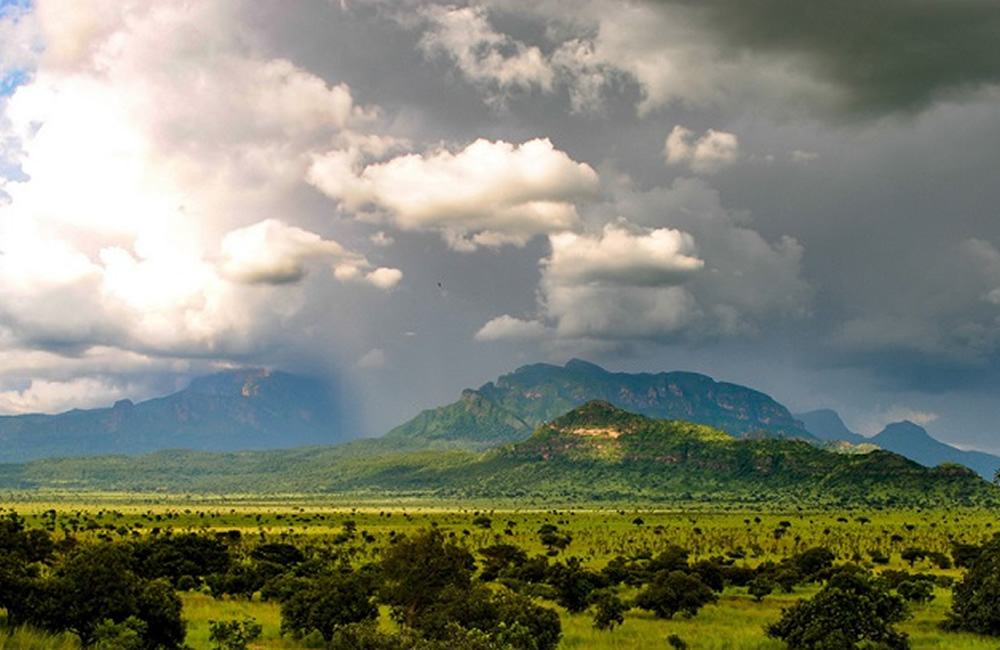
Kidepo is the road trip prize for those willing to go far. UWA describes it as Uganda’s most scenic and untouched safari park, with large populations of lions, buffaloes, elephants, wild ostriches, and strong cultural encounters with the Karamojong and Ik. This is not a park for casual inclusion. It is a destination that gives a Uganda Car Rental journey its most frontier-like dimension.

12. Mount Elgon National Park

Mount Elgon completes this list because it offers something geologically and visually singular. UWA describes it as an ancient extinct volcano, once taller than Kilimanjaro, now rising to 4,321 meters and ranking among East Africa’s major peaks. It is a destination of caves, highland vegetation zones, trails, and escarpment beauty. For self-drivers, it adds eastern Uganda’s loftiest sense of drama.

Conclusion
Uganda rewards the traveler who likes to choose the road, not merely follow it. The finest routes mix city energy with forest silence, lakeside calm with river adrenaline, and celebrated safari landscapes with quieter, more idiosyncratic stops. That is why a well-planned self-drive in Uganda feels so compelling: it turns the country into a sequence of deliberate discoveries. With the right Uganda Car Rental, and with Uganda’s National Parks anchoring the route, these 20 places can shape a road trip that is not only beautiful but unforgettable.

How to Plan an Affordable Gorilla Safari

0

A gorilla safari allows tourists to see mountain gorillas in their natural habitat. It has become one of the most popular among travelers on wildlife safari to Eastern Africa. Mountain gorillas are very rare and critically endangered so travelers would rather pay highly to see them which generate revenue that is used to fund conservation activities and sustainable tourism gorilla development. That’s why a gorilla permit in Rwanda is $1500, $800 in Uganda and $450 in DR Congo. A permit is purchased on its own and allows visitors to spend 1 hour with gorillas. So you have to plan for accommodation and meals, transport and tour guide/driver services.

Despite the high and no bargain cost of a gorilla permit, there ways to lower down the cost of other things you plan to include on your trip to make a gorilla safari affordable.

Track Gorillas in Uganda

A gorilla safari is expensive in Rwanda due to the $1500 gorilla permit price but in Uganda it is at $800, a budget traveler’s dream. DR Congo offers cheap gorilla trekking at $450 but because of insecurity, it limits the option of going to Virunga national park.

At the moment Uganda stands out as the most affordable destination for gorilla trekking. Tourists can take a budget gorilla tour in Bwindi impenetrable forest and Mgahinga gorilla national park. There are 24 habituated gorilla families and one family can visited by 8 people per day. This means that a total of up 192 gorilla permits are available for Uganda travelers per day. Mgahinga has one habituated gorilla family while Bwindi has 23 families which are distributed at its four park sectors of Bwindi; Buhoma the headquarters, Ruhija, Rushaga and Nkuringo. Many options and packages for accommodation exist at each sector offering a dozens of budget and mid range lodges with en-suite amenities. A packaged gorilla safari will include accommodation and transportation.

Short Gorilla Safaris are better such as a 3 days Bwindi Safari

Of course, gorilla itineraries differ by price. The 3 days gorilla safari for example includes transport, full board accommodation (3 meals a day and drinks), gorilla permits. It may look to be a shorter itinerary but the best part of it is that you have time for road transfers which are the most affordable way than flying by charter plane. Road transportation from Kampala to Bwindi takes 9- 10 hours approximately. If you land in Kigali, the distance will just be short taking 3 hours drive and cross the border to Uganda. A gorilla safari booked through a local tour company will offer a private vehicle and a guide/driver.

Join a group of fellow gorilla trackers

If you are not a solo traveler, a local tour company will offer a gorilla safari and match you with other travelers. Trust your operator that he/she will add you to a group to travel together and even share accommodation without having to compromise quality. For example there are extended land cruiser safari vehicles that can accommodate 6-7 people at once. In that case, the operator will find lodges with twin or triple rooms to enable you get to share with others. That way of sharing costs is the most budget friendly gorilla tracking safari option. Group travel will still offer value for money because the accommodation will feature en suit bathrooms, good food, and pampering by the friendly local staff.

Stay in budget or mid range Accommodation

A great gorilla tracking experience is when you spend 1 hour with the gorillas in their natural habitat. To keep things affordable, no need to stay in luxurious lodges. There’s a wide range of budget and mid range accommodation. Bwindi has many lodges and it’s largely preferred than Mgahinga for that reason.

Consult with your operator to recommend you lodges that will carter for your needs. For example, the location of the lodge is very important. It should be near the gorilla center because you will not be on pressure to wake up early instead you will just take a walk to the center. Finding that kind of lodge is easier when you book in advance; Ruhija and Rushaga gorilla centers have got a lot of budget and mid range lodges.

Find extra activities to add on your wildlife

While I just mentioned about shorter gorilla safaris as less expensive, there are certain wildlife activities that you can do without high price tag but for a great Ugandan wildlife experience. For example, game drives and boat cruise safaris can be done in Queen Elizabeth National park. This park is just 4 hours drive from Bwindi.

Another great park you can add on en route to Bwindi is Lake Mburo national park located just 3 hours from Kampala. You can spend just 1 night in one of the parks remember and still spot animals like elephants, buffaloes, zebras, lions, hippos, crocodiles, Uganda kob, warthogs.

5 Best Africa National Parks to Visit in 2026

0
Maasai Mara Wildlife

Safaris in Africa are different basing on the diversity of the continent in terms of wildlife, culture, history and adventure.  Majority of African Safari goers are obsessed by wildlife viewing whether it is gorilla tracking in Uganda, experiencing big 5 mammals and watching the wildebeest in Kenya and Tanzania. There’s a variety of wildlife apart from big 5 and primates for those who are keen on seeing giraffes, antelopes, hippos, crocodiles, birds, small cats. The following are the top destinations for safaris in Africa.

Masai Mara National Reserve- Kenya

Masai Mara wildlife reserve is located in southwestern Kenya. It adjoins with Serengeti ecosystem in Tanzania and therefore home to abundance of wildlife including big 5 mammals, as well as zebra, giraffe, cheetah, and several species of antelopes. It is particularly well known as the best place to see big 5 and the wildebeest migration. On top of that however another good reason why Maasai Mara is a top safari destination is the unique culture of the Maasai warriors who are known for their cattle, colorful beads and jewelry.

Serengeti National Park – Tanzania

Tanzania’s Serengeti national park has the greatest concentrations of mammals than anywhere else on earth.  It is a top destination for safari in Africa particularly for two reasons, abundance of big five mammals and watching wildebeest migration- the greatest wildlife spectacle on earth.

Serengeti also has a diversity of ecosystems that range from extensive savanna grasslands plains, rivers, rift valley escarpments, which provide home to millions of mammals. The flat terrain especially in the central circuit allows for easy game viewing; from the big 5 to the small antelopes, giraffes, zebras, wild dogs, small cats, to hippos and reptiles to birds of prey. The park which is divided into three safari circuits, the northern circuit is the most popular where big 5 and giraffes are common, the central Serengeti and the western circuit where the wildebeest cross the crocodile infested Grumeti River.

Though the wildebeest migration requires well-arranged itinerary and timing, Serengeti offers superb wildlife all year round with a variety of activities such as game drives, hot air balloon safaris, walking safaris, rhino trekking safaris, birding, river viewing.

Kruger National Park – South Africa

Kruger national park in South Africa is a network of several public and private game reserves covering about 2 million hectares. This huge wilderness area is home to big 5 mammals and a variety of wildlife. The park particularly has large populations of lions, herds of elephants and buffaloes along with small antelopes such as impala. Wildlife viewing here is made easy by the world class facilities including luxury lodges. However, kruger safaris can cater to any visitor needs and budget.

Bwindi impenetrable National Park Uganda

Home to estimated 430 gorillas, roughly half of the world’s mountain gorilla population, Bwindi is the best place in the world to see mountain gorillas in their natural habitat. Bwindi has about 17 gorilla families that have been habituated for tourism thus it’s undeniably a top destination for gorilla tracking safaris.

Gorilla tracking is one of the life changing wildlife experiences. Guides will lead you on foot hiking through the forest searching for gorillas. Once they are found, visitors are allowed to view gorillas for 1 hour. Gorillas may be seen relaxing or feeding and moving which means that guides have to follow them which cane quite challenging but is very a rewarding authentic natural forest trekking experience. Adding a gorilla safari into your wild safari in Africa will make your trip a once in a lifetime experience!

Bwindi is an ancient tropical mountainous rain forest located at the edge of the Albertine rift valley in southwestern Uganda. It is located close to queen Elizabeth national park thus a gorilla tracking itinerary for at least 3 days also includes game drives, boat cruise safaris, chimp walks which reward with sightings of tree climbing lions, hippos, crocodiles and antelopes and up close encounter with chimpanzees.

Amazing Facts About Mountain Gorillas

0
Mountain Gorillas

Mountain gorillas live high in the mountains in two protected parks in Africa. They are also referred to as mountain gorillas. The mountain gorilla is a type of ape found in the tropical rain forests of Central Africa. These great apes continually wander through their home ranges of 10 to 15 square miles, feeding and resting throughout the day. Because gorillas are nomadic, they build new nests each day at dusk, constructing them out of bent branches in a tree or using grasses on the ground.

Mountain gorillas have long black hair and their thick, shaggy coats help to them keep them warm in cold climates. They have a stocky build, with a broad chest, long, muscular arms and wide feet and hands. Their arms are longer than their legs.

Adult male gorillas are called silverbacks because of the silver saddle of hair on their backs.

Gorillas live in groups and each gorilla family with a silverback as the leader to protect and scare away other animals that may tempt to harm them, while protecting the other gorillas, it stands erect on its hind legs, tearing up and throwing plants, drumming on its chest with its hands and fist, stamping its feet hard on the ground, striking the ground with its palms and galloping in a mock attack on all fours.

Silverback male gorillas are around six feet tall while the females are around five feet tall. Silverback gorillas weigh approximately 350 pounds about twice the weight of normal adult man. Gorillas are herbivores, and eat only plants. They spend most of their day foraging for food and eating bamboo and leafy plants. Mountain gorillas were not even known to exist until 1902.

The fact that mountain gorillas are roughly 1000 in existence today reflects what humans have done to the population. Today, their habitat is being destroyed when people use land for farming and cut trees for different purposes. And this is one of the reasons why mountain gorillas have become the most endangered species of gorilla. Poachers who capture and kill these animals to make a profit are also contributing to their decline. If aggressive action is not taken to preserve gorillas and their habitat, kids in future generations may never know what it’s like to see a real gorilla.

General facts about the Mountain Gorillas;

  • Their natural habitat is the tropical rain forest of central Africa.
  • Silverback gorillas can live from 40-50 years and slightly longer in captivity.
  • Silverback gorilla is the name given to the adult male gorillas because of the silvery fur running across their backs and hips.
  • Gorillas and humans have a very similar genetic make-up. They both share 98% DNA.
  • They live in groups or communities with a clearly defined social structure. A dominant Alpa leads the group of other males, females, and young in daily activities such as eating and sleeping.
  • Adult gorillas are approximately six times as strong as a man.
  • Gorillas are mainly herbivores that feast on a variety of plants, roots, herbs, fruits, bamboo, tree bark and occasionally, insects. Adults can easily eat up to 66 pounds (30kg) of food per day.
  • Standing up to 6 feet tall (182 cm) with arms that extend up to 8 feet (243 cm) wide, gorillas are the largest living primates.
  • Gorillas are known for being very intelligent animals. In the wild they communicate through vocalizations, body language, facial expressions and gestures. In capacity they have been known to learn sign language.
  • Gorillas spend the morning and evening hours actively searching for and eating food while midday is spent playing and resting. Each evening they make their own nests, mostly out of vegetation, before going to sleep for approximately 13 hours.
  • Although generally quiet and calm animals, they can become aggressive towards one another. Dominant males, in particular, will beat their chest, scream, roar and bark while standing upright in a show of power.

Would you like to see silver-back gorillas? Why not book a gorilla trek to Rwanda, Uganda or DR Congo and get to meet these amazing apes in the wild of Africa.

Top 10 Most Amazing Birds to See in Africa

0
African Shoebill Stork

1. The Secretary Bird The Secretary Bird The Secretary Bird is instantly recognizable as having an eagle-like body with a hooked bill, but has rounded wings and longer legs. It spends most of its life hunting on ground. It is often considered to grab venomous snakes, fly up and drop them on the rocks

2. Ostrich OstrichThe ostrich is unique in its appearance, with a long neck and legs, and can run at up to about 50 km/h. It’s the biggest bird and lays the largest eggs of any living bird. The feathers of adult males are mostly black, with a white tail. Females and young males are grayish-brown and white. The Somali ostrich is only found in Kenya.

3. African Spoonbill African Spoonbill The African Spoonbill feed in shallow water. It has a spoon like beak that is used to catch food by swinging it from side-to-side in the water.
4. Marabouk Stork
It’s ranked the species with the largest spread wing of any living bird. It can weigh 20 pounds and the wing can spread upto 10 fit. The Marabou Stork is a frequent scavenger, and the naked head and neck are adaptations to this livelihood. The non-feathered head helps the bird to scavenge inside dead animals without getting much dirt
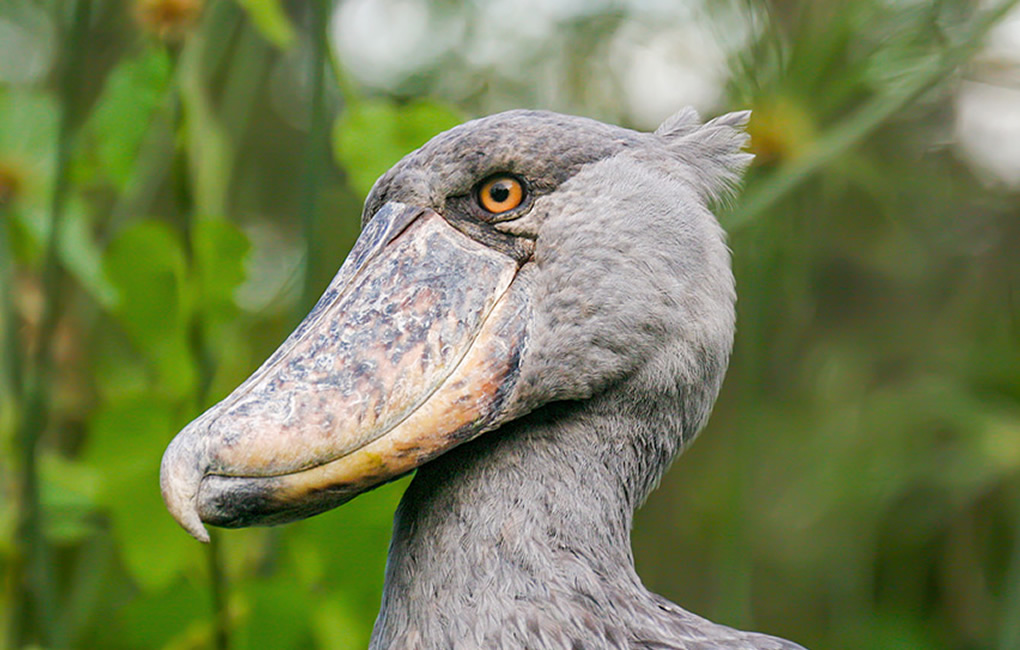
5. Shoebill
Commonly found in Uganda. Their large heads, eyes, and captivating shoe like bills help them find food in muddy swamps. Shoebills can grow as tall as five feet, boast a nearly eight-foot wingspan, and weigh up to fifteen pounds.

6. Standard Winged Night Jar
The adult male has a weird wing pattern during the mating season, with a broad central flight feather on each wing elongated up to 38 cm. When flying it looks like 3 birds chasing at one another. However in the normal season there is no difference between the male and female. They fly at dusk, mostly at sundown.

7. Africa Fish Eagle
Arguably, Africa fish eagle is the swiftest bird in the continent. It has the ability to attack the slippery fish from water. The fish eagle uses its rear talons to pull fish from the water.

8. Kori Bustard
This is a beautiful bird that is easily found in open grasslands of Southern and Eastern Africa. They spend 70% of their time looking for food on the ground.

9. Black Heron
The Black Heron has a very rare hunting formula named the canopy feeding. In this mode of feeding the bird uses its wings like an umbrella and creates a shade that attracts fish. The birds are majorly found in Madagascar and south of Sahara desert.

10. Sugarbird
The sugar bird is one of bird species with the longest tail. Its easily found in South Africa and Zimbabwe.

Enokishu Conservancy

0

Enokishu conservancy is a situated within the Masai Mara eco –system. It is located on the northern tip of Masai Mara National reserve. On this conservancy you will find plenty of animals especially the big five. You can stay in one of the lodges at the conservancy, do game drive within or visit the Masai Mara National reserve.

Lekki Conservation Centre

0

What I love the most about traveling within Africa is noticing the many similarities from one country to another, while having a sort of culture shock when I experience the specificities that make a city, region or country unique. My stay in Lagos was an outstandingly memorable experience, without exaggeration. Beside the excitement we all have when traveling to a new country, I totally fell in love with the energy, people and places I had the chance to explore. One of the highlights of my trip was the Lekki Conservation Centre, a nature reserve and eco-tourism site located on the Lekki Peninsula. It’s one those places that leaves you speechless, amazed and peaceful.

The nature lover that I am was beyond excited when my friend suggested to take me there on my first day in Lagos. We arrived in late afternoon and were lucky enough to make it before the last tour of the day at 5PM. I highly recommend coming early, preferably in the morning. It gives you more time to enjoy the park and wildlife. Our tour guide Kingsley, a very enthusiast and insightful man, took us on a hour-long tour through the reserve along with a group of approximately 20 other visitors from all age groups. At the entrance of the resort, a boulevard of coconut will lead you to a cone-shaped building which serves as the auditorium for lectures, conferences, and seminars. It is also where visitors pay the entrance fees: N1000 per adult. Group rates are available on demand.

The first thing to expect when visiting Lekki Conservation Centre is to walk. The site, established by the Nigerian Conservation Foundation in 1990 as an initiative to protect the wildlife and mangrove on Nigeria’s South-West coastline from the threat of urban development, covers a land area of 78 hectares. We walked for at least 2km on a trail boardwalk, in the middle of savannah, with old and giant trees surrounding us. It is so calm and peaceful that you could hardly believe that you are at the heart of a busy city. Perfect to escape the hustle and bustle of Lagos’ every day life.

Several monkeys and birds species can be spotted in the trees. Crocodiles and snakes can also be found here, but I haven’t seen any. The main attraction of the reserve (and my favorite so far) is the Canopy Walkway, which is 401 meters long and 22.5 meters high above the ground. It can be really fun until you look down. It’s reputed to be the longest walkway in Africa and the second largest in the world. Once you reach the top, you will enjoy a stunning and panoramic view of the park. Adventure lovers will love it. Those afraid of heights should give it a try too. What is life without challenge?
P1130274.jpg

Because walking through the forest can be exhausting for children and adults, there is a picnic area and a children’s playground. My only regret is that this huge land is not used at its full potential. I believe so much more could be done in terms of activities and facilities to make the reserve more attractive. Also, I would have expected to see more animals.

In the family park, there are two ponds: one for tilapias and one for exotic fishes. It is extremely beautiful! I would recommend any nature and adventure lovers to pay a visit. It’s also a wonderful place to spend time with your kids and/or lover. So if you ever go to Lagos, make sure you stop by. If you have already been there, please share your experience with me!

The pros:

  • Calm and serenity
  • Beautiful rainforest
  • Amazing tour guide
  • Location is pretty easy to access
  • The canopy walkway: a must-try
  • Picnic areas and family games

The cons:

  • Apart from monkeys, not many animals can be seen
  • The park could be better maintained
  • Lack of signage in the park
  • Just a few activities available

Okavango Delta Africa’s Natural Wonder

0
Okavango Delta

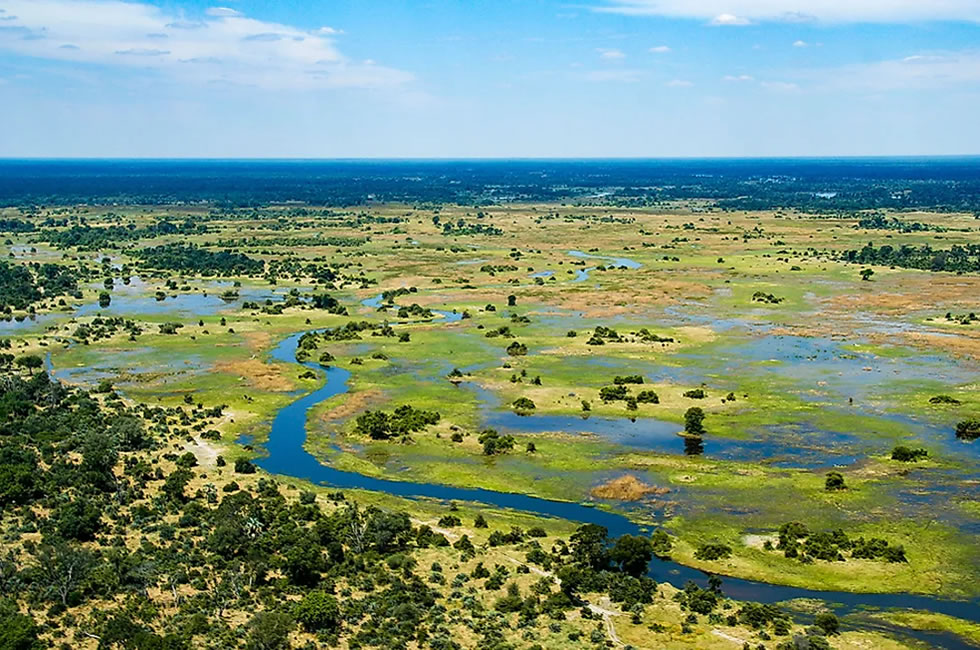
Many of the river deltas in the world flow into the ocean or sea, but one of the delta in Okavango River in Botswana forms one on the most unique delta in the world. The feature is formed where the Okavango River reaches the central part of Kalahari desert and spread out filling the basin where it most water evaporates. Recently, the delta secured a position as one of the seven natural wonders of the Africa.

Until the 20th century, it was unclear how the water level were raising and falling. Yearly it has been approximated that 11,000,000,000,000 litres of water flow into the delta. Most of the water evaporates and transpired by the surrounding plants. The seasonal flooding of Okavango river by the rainwater from Angola highlands flows into the delta making the waters stretch between 150-250kms.However the floods peaks come between June and August making the waters stretch two to three time. This flooding attracts Africa finest wildlife that travel from afar just to enjoy the plenty vegetation and prey.

Averagely, the Okavango delta is 15,000kms with a variation of only 2 metres in height. It’s an amazing home to a variety of wildlife. Seasonally, some of the wildlife follows the rains while others occupy the area year round. The area has less interference from humans and for tourist it is a wildlife haven. Some of the wildlife that may be encountered include: the big 5.variety of antelopes, Wild dogs, hyenas, giraffes, hippos and even monkeys.

The Delta is also a sanctuary for over 400 species of birds making this a great destination for bird watchers as well. Some of the birds that may be encountered include the ostrich, African Fish Eagle, Crested Crane, Lilac-Breasted Roller, among many other astounding birds.

Some of the activities include Game drives, Safari walks, Bird watching, Boat cruises, Elephant Back Safari, Horse riding and photography. A journey to the Okavango Delta Africa’s natural wonder – deep into Africa’s untouched interior – is like no other.

Guide to Mount Oldoinyo Lengai in East Africa

0

Mount Oldoinyo Lengai is famously known as the difficult mountain to hike in East Africa this active volcano mountain lies in the Arusha situated in the northern part of Tanzania and almost (9.9mi) south of Lake Natron and it sits next to the escarpment of the Great Rift Valley closer to Ngare Sero waterfall and Lake Natron.

This unique physical feature consists of volcanic cone with two craters. history owns that this mountain was formed by volcanism along the Gregory Rift.

The Sonjo and Maasai people often refer to this stunning “Mountain as the mountain of god” depicted with the traditional story that embodies of the god Engai who withdrew there after being hit by a hunter with the arrow

The Masai people term this mountain as a scared venue a site for worship and some ceremonial rites are conducted from there as well as place of safety to their god Enkai.

What Makes Mount Oldoinyo Lengai the Hardest Mountain to Hike

Hiking Mountain Oldoinyo Lengai involves a very challenging terrain trek passing through steep ash gravel slippery rugged land slopes this adventure usually commences during night hours or early in the morning due to the intensive heat that occurs during day hours.

The entire hiking duration takes almost ten to twelve hours and about six to eight hours while ascending and approximately four hours descending depending on the hiker’s potential.

On reaching its summit which is 977 Feet (2960 meters) then the entire hike adventure is approximately 65 miles (10.5km) at an elevation of 3280 feet (1000 meters).

During the hiking experience guests are granted with the opportunity to see the awe-inspiring clear views of the surrounding area including the stunning waters of Lake Natron as well as over looking the boundless plains of the adorable Rift valley.

On a clear day there are great chances of seeing the astonishing Mountain Kilimanjaro and seeing the sunrise from the top of Oldoinyo Lengai mountain hence an unforgettable experience.

The Best Time for Hiking Mount Oldoinyo Lengai

Hiking mountain Oldainyo Lengai takes place throughout the whole year however Jun to early October are the coolest and driest months best and more favorable for climbing this stunning mountain.

The rainy season usually happens in the months of late March to early May most roads are muddy and slippery in this period hence navigating to this mountain is really difficult.

Tourists are advised to make use of 4×4 wheel drive tourist’s vehicle when coming to visit this mountain because most roads are in bad state in order to avoid any inconvenience on the way.

The Essential Gear to Carry for the Hike

Tourists should always make it a point to pack these important items listed below for the Ol Doinyo Lengai climb.

  • A head lamp to act as source of light in the dark hours.
  • A portable waterproof bag to carry your personal items food and enough drinking water.
  • Sun glasses and brimmed hat to avoid direct exposure to the direct strong sunlight rays
  • Light hiking boots
  • First aid kit
  • Sunscreen to protect the body against direct sunlight
  • Hiking gloves among others

The cost of the hiking this mountain varies though its between US$70 for the solo hiker and US$ 100 however price many change always confirm with the current price.

Accommodation Facilities Situated Near Mount Oldoinyo Lengai

Guests can make use of lodging and camp site ranging from budget to luxurious depending on your choice. These facilities are situated nearby Lake Natron and Ngare Sero village as listed below

Facilities near Lake Natron

  • African Safari Lake Natron
  • Lake Natron Tented and Camp
  • Ngaro Sero Lake Natron Camp
  • Masai Giraffe Eco Lodge

Facilities near Ngare Sero village

  • Ngare Sero Mountain Lodge
  • Ngare Lodge
  • Ngurdoto Mountain Lodge
  • Century Lodge Ngarenaro
  • Serena Mivumo River Lodge
  • African View lodge

In Conclusion

History say that a Germany geologist Hans Reck was the first individual to hike this mountain to its summit in a year 1917 pay a visit to this hidden treasure it is an ideal spot for adventure seekers and nature lovers.

4 Beautiful But Hidden National Parks in Uganda

0
Pian Upe Wildlife Reserve

Uganda has ten national parks in the different regions. All the parks have the unique features  that you cannot find in the other. Though the most notable visited national parks are Bwindi, Queen Elizabeth national park and Murchison Falls National Park, there are some beautiful but hidden national parks that you should not miss in Uganda. These include Kibale Forest National Park, Lake Mburo National Park, Bwindi Forest National Park to mention but a few. Here is a list of national parks hidden in the far end but with thrilling beauty you would not want to miss out, and these include;

Mgahinga Gorilla National Park

Mgahinga is one of the smallest national parks in Uganda sitting at an altitude of between 2,227m and 4,127m in the virunga conservation area, mgahinga is in the foothills of virunga ranges sharing with the neighboring Rwanda and Congo. The Virunga ranges include Mt Gahinga  at 3,473 meters above sea level  covered up by Crater Lake on top, un fortunately it was covered by swamps. Gahinga literally means” a pile of rocks”.

Mount Muhavura as the highest peak at 4,127 meters Seen from far beyond Kisoro town, hiking mount Muhavura takes about 6 hours but with rewarding views of Lake Edward and George in Kasese, Queen Elizabeth national park, Ruwenzori mountain ranges and Bwindi forest.

Mount sabyinyo,” old teeth” it is one of the oldest volcanoes in the Virunga conservation area, the thrilling part of is once you hike it, at the mountain you are physically present in three countries, Uganda Rwanda and Congo. This hike though is a bit a tough and takes about 8 hours.

Semuliki national park

Semuliki National Park cuts across the Semliki Valley on the remote, western side of Ruwenzori. The park is dominated by the great Ituri Forest of the Congo Basin, one of Africa’s most ancient and bio-diverse forests that survived the ice age 18,000 years ago. The forest includes 305 species of trees recorded, of which 125 species are restricted to this park alone, savannah grassland, swamps and hot springs.

The forest is home to numerous Central African wildlife species, and the local population includes a Batwa pygmy community that originated from the Ituri, Batuku cattle keepers, Bwamba farmers and Bakojo cultivators As a result, this park provides a taste of Central Africa without having to leave Uganda.

The beauty of Semuliki national park include 53 species of mammal which have been recorded including the rare and nocturnal and diurnal species like , chimpazees, olive baboons, Grey-cheeked Mangabey, Vervet, Red-tailed and Mona, Blue Monkeys, and Guereza Colobus, De Brazza’s Monkeys. While nocturnal primates include Galagos and Pottos. Other mammal species include, Bush pig, Water Chevrotain, Buffalo, Sitatunga, White-bellied Duiker or Dwarf Antelope, Beecroft’s Anomalure and elephants

Semuliki national park is also home to various bird species, among these include, Red-chested Owlet, Bates’ Nightjar, Chocolate-backed, White-bellied and African Dwarf Kingfishers, White-crested, Black Dwarf, Red-billed Dwarf, Piping and Black-wattled Hornbills, Red-rumped Tinker bird, Spotted, Spot-breasted Ibis, Hartlaubs’s Duck, Chestnut-flanked Goshawk, Red-thighed Sparrow hawk, Long-tailed Hawk, Forest Francolin, Nkulengu Rail, Western Bronze-napped Pigeon, Black-collared Lovebird, Yellow-throated Cuckoo Lyre-tailed and Zenker’s Honey guides, African Piculet, Gabon Woodpecker, Red-sided Broadbill, White-throated Blue Swallow, Green-tailed Bristle bill, Forest and Grey Ground Thrushes, Lemon-bellied Crombec, Brown-crowned Eremomela, Blue-headed Crested Flycatcher, Ituri Batis, Red-billed Helmet -Shrike, Red-eyed Puff-back, Black-winged Starling, Maxwell’s Black Weaver, Blue-billed, Crested and Red-bellied Malimbes, Pale-fronted and Chestnut-breasted Negro finches, Grant’s Bluebill.

Pian Upe reserve

This is the second largest conservation area in the greater regions of karamoja. Pian upe covers an area of about 2,788km2 to the north of mountain Elgon and is managed by Mountain Elgon Conservation department under Uganda wild life authority.

Wild life species in pian upe include wild cats like cheetahs, serval, leopard, civets, and jackals the Primates include patas monkeys, olive baboons, vervet monkeys, and mammal species like Cape buffalo, topis, giraffes, elands, waterbuck, Ugandan kobs, zebras and so many others.

The Pian Upe reserve is also a birding destination with array of 242 amazing bird species like Jackson’s Hornbill, ostrich white-headed buffalo-weaver and others

Reptiles are also in pretty in the reserve which includes geckos, skinks, rock python, water snakes, lizard, savannah monitors among others.

Kidepo National Park

In the semi-arid region of Karamajong lies Kidepo national park, the furthest park but yet with exciting features in the wilderness. The park has rare species like cheetah, hunting dog, ostriches that you will never find in any national park. Kidepo National Park was gazetted in 1962 and it host over 77 mammal species which include elephants, leopard, bush duiker, jackal, bushbuck, bush pig, giraffes, bush baby, buffalo and much more as well as around 475 bird species including the endemic species like the pygmy Falcon, Varreaux’s Eagle plus , Egyptian Vulture.

The slopes of mountain murongole are occupied by the IK people, who are the tiniest ethnic group found in Uganda, and have their own special culture.

Latest Updates