Home Blog Page 2

7 Less Known National Parks to Visit in Africa
0
Kidepo Wilderness

Travelers who have visited Africa already know some of the famous destinations. It is true many love places like Maasai-Mara, Serengeti, and Kruger due to their superb wildlife viewing opportunities. Thus, you’ll have to bear with many visitors and their vehicles which flock those places. If you want to get away from the crowds, you could plan a safari to some of the less visited national parks but still experience wildlife and real African culture.

Liuwa National Park -Zambia

Liuwa National Park in western Zambia is for the blue wildebeest migration: its home to the second largest migration of wildebeests and zebras. With Kenyan Maasai-mara reserve and Tanzania’s Serengeti facing overcrowding, Liuwa National Park could be the best option to for travelers who want to witness the migration of wildebeest in solitude.

With the back country roads being improved, it’s easier to access the park from Kalabo the nearest small town and Mongu the capital city of western Zambian province. The best way is to stop at African parks office. From there you can arrange entrance to the park and get all information.

Due to long drives in between, visitors stay within the park. It’s suggested among the most popular accommodation include Matoya fishing lodge, mobile safari company and Liuwa community campsites.

In Liuwa national park, thousands of wildebeest mingling with zebra, oribi, roan antelope, steinbuck, migrate from Angola to the park for water and green pasture during rainy season. From August to December visitors can view herds of wildebeest as well predators including prides of lions, packs of African hunting dog, hyenas, wild and serval cats. The park has vast plains of savannah and it takes long game drives to maximize wildlife viewing opportunities.

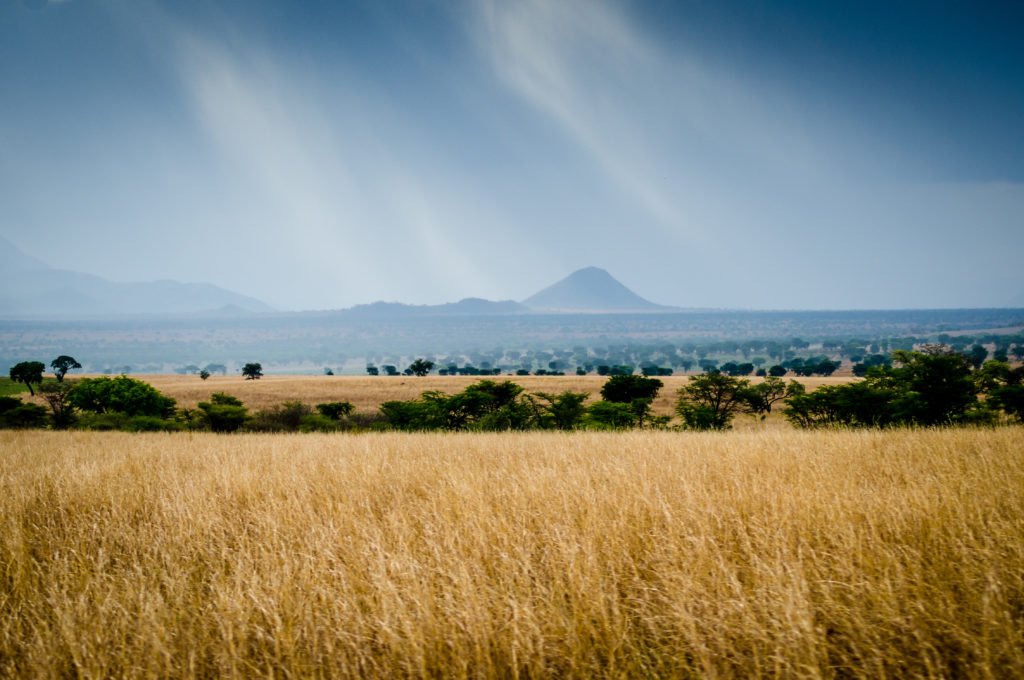
This park also appeals to nature photographers. The moments when lightening and storms straddle the parts of the park to contract with green and golden savannah plains giving visitors dramatic views.

Mahale Mountains National Park, Tanzania

Just four hours of charter flight from Arusha city or 5 hours by speedboat from kigama town, is this quite wilderness. Mahale National park located in western Tanzania along the shores of Lake Tanganyika, is a 1613 sq km sanctuary of an estimated 1,700 population of chimpanzees.

Sure to please even the most experienced travelers who love nature and outdoor adventures. For a complete safari, you need to stay in this park for at least 3 days. Tracking the chimpanzee is the main visitor experience. Chimpanzees have been a focal point of research over the last 4 decades. Mimikere or group “M” of about 60 chimps is well habituated for visitors to track. You start well prepared for challenging steep hiking and dense tropical vegetation.

The best time for up close encounters with chimpanzee is during the dry season June to October when they feed on ground and come around some of the lodges. During the wet season, November to May, the weather may not be favorable and chimpanzees spend much of their time feeding in trees.

Chimpanzee tracking isn’t the only adventure in this park. Visitors will find mountain hiking, snorkeling on calm waters of Lake Tanganyika, sport fishing, safe kayaking expeditions to spot hippo and crocodile attacks. In fact, birds are everywhere even around the lodges, though you’ll need to walk through diverse habitats for fantastic bird watching.

Escape from the hustle of Tanzanian cities when you step in Mahale national park, where you’ll find scenic mountainous views, sand beaches and crystal clear waters. Visitors up for backpacking adventure, head to Mount Nkungwe rising 2,462 meters above sea level.

Camping is available for everyone and must be done with armed ranger. Once you set up an overnight camp for two day mount Nkungwe climbing, take a hike along the eastern slopes where African elephants, lions, giraffes, buffalos, warthogs, roan and sable antelopes, porcupines roam free. You also get to see amazing sunsets and the dark night skies.

Visitors who want luxury, there are three lodges built along the shores of Lake Tanganyika. They include Kungwe beach lodge, the two storey bandas of Greystoke Mahala lodge and flycatcher camp. Guided tours are offered several times a day. The park also has Mango tree camp, the only one for budget travelers.

More determined visitors can arrange to reach the park by a leisure cruise. The MV Liemba takes about 10 hours on water from port of Kigoma the nearest town on the shores to the park. Travelers in Zambia will catch the same cruise but it takes 30 hours to reach the park.

Kidepo Valley National Park, Uganda

The remote Kidepo valley national park forms an extended ecosystem of semi-arid desert, dry savannah and mountain forests covering about 1,442sqkm and provides home to East Africa’s largest herds of buffaloes. In addition to a single herd of buffaloes which are estimated to number over 4,000, Uganda’s most remote park hosts large giraffes, African elephants, lions, cheetahs, Aard wolf, spotted hyena, zebras, reedbucks, Thompson’s gazelle, bulbul, Uganda kobs which have been trans-located, ostrich and more than 500 species of birds.

Kidepo is notable for striking landscape scenery and big game viewing, especially around the great Narus valley where wildlife congregates during the dry seasons. Much of the landscape is undulating with rock kopjes, hilltops and patches of borassus palm trees. The Murongole dry mountains in the northwest border with South Sudan reach over 2,749 meters above sea level and can be climbed with an armed ranger guide. Traversing through the park are several sand rivers including River Kidepo. It does not completely dry up during the dry season with its 50 meter wide beds of white sand lined with borassus palm trees are used as corridors by wildlife especially birds.

Check the list of activities you want to do and plan accordingly your Uganda safari through this remote side of Uganda. You can do game drive for viewing wildlife, bird watching, mountain hiking, nature walks, landscape photography as well as community and cultural tours.

There are few accommodations in the park, most of which need make reservations in advance. You need to a whole day to travel to Kidepo by road, taking up to 10-12 hours drive journey from Kampala via Mbale. If you have less time, air travel is available. Scheduled charter flights take two hours from Entebbe airport or kajjansi in Kampala landing at Lamej airstrip near Uganda wildlife park headquarters.

Ruaha National Park, Tanzania

For any traveler looking to traverse classic African savannah, Ruaha national park is a natural choice. In fact it is the largest national park in Tanzania covering 20,226 sq km offers big game wildlife viewing adventure. Wildlife is thriving, with 10 percent of the lion populations in Africa as well as many elephants, cheetah, leopard, African hunting dogs, giraffes that rival Serengeti.

With no other tourists in sight, you can experience wildlife and scenic views by a game drive safari along the great Ruaha River in the south from which the park was named.

Bird watchers find plentiful opportunities to test their skills. Over 500 species of birds are recorded and best spotted on nature walks.

Several lodges and camps offer comfortable stay for a night. Ruaha River lodge is the largest and set along the river it offers more relaxed close views of wildlife for budget visitors.

Luxury visitors can find accommodation at Kihala and kigelia camps as well as Jongomero camp. For those visiting the park with less than budget, Mdonya old river camp is a good option.

Need a real Tanzania local cuisine after a game drive, Mwagusi lodge as the oldest in the park offers excellent services.

Semuliki Valley National park, Uganda

This 220 sq km park is located in western Uganda in the Albertine rift valley floor and includes the Toro-Semuliki wildlife reserve. Semuliki national park is about 387 km from Kampala and the journey takes about 5-6 hours drive. Because Semuliki is in the valley connecting to the Congo basin forests, it protects diverse habitats such as tropical forests, riverine, avian and grasslands.

Travelers will find hot springs famous as traditional healing sites and cultural encounters of the Bamaga people. There are both male and female hot springs, with boiling hot water which is believed to cure many diseases as well as relive stress and boil eggs and banana.

Semuliki is most famous for bird watching. Over 440 species of birds include 50 central African forest biome species which you can’t find in any other part of East Africa. Specialist birder watchers while taking in views of the Mountains of the Moon can explore hiking trails to look for Congo serpent eagle, African piculet, piping hornbill, Nkurengu rail, swamp palm bulbul, orange weaver, and blue-billed malimbe among other species.

There also several species of mammals and nine species of primates including De-Brazza’s monkey. Visitors get an opportunity for primate viewing though animals like forest elephants, warthogs, leopards, buffaloes, antelopes. You walk with no other tourist around which increases chances of spotting animals even though there’s thick vegetation.

There are accommodations ideal for visitor stay. Some of the lodges are found in and outside the park in Sempaya, Bundibugyo and Fort Portal town.

Bawabwata National Park, Namibia

Though deserts and dunes lure many visitors to Namibia, Bwabwata national park combines varied landscapes including sand dunes, woodland forests, savannah, rivers and swamps.

The park is situated between Okavango and Kwando Rivers. This abundant water supports large mammals such as elephants, buffalos, zebras, blue wildebeest, antelopes and big cats including lions, leopards, cheetah, and spotted hyena.

Ecotourism is being established with serious conservation and tourism development. The park is so quite with few tourists on game drive safaris, nature walks or boat cruises which reward with sightings of hippos, crocodiles, sitatunga, water birds and sunsets.

Gorongosa National Park, Mozambique

Mozambique may not be the list of your safari destinations in Africa, but has changed. Conservation and eco-tourism initiatives are working to restore ecosystems with tree planting, protect diverse wildlife and support local development. Visitors on a safari to Gorongosa not only will be amazed by beautiful terrain and wildlife but will also be part of the eco-tourism and conservation milestone.

The park has diverse landscapes such as flood plains, rift valley, Lakes and rivers, savannah grasslands and palm and tropical forests. Several activities including game drive safari, bird watching, nature walks provide an opportunity for visitors to get up close and personal with wildlife. There are lions, large herds of African elephants, buffalo, hippos, crocodiles and many species of birds such as red bishops.

For traditional African cultural experience, join the local guides on a two km walk to Vinho village. It is accessible by a boat cruise or traditional canoe crossing Pungue River. As you walk passed maize, cassava fields, learn about how revenues from tourist visits are important to the lives of local people by supporting agriculture.

Meet the local children, women and participate in local dances and singing. Interact with locals as their share their history and experience their daily lifestyles. These earn from craft and sell of agriculture produce. You can support them by purchasing their handmade crafts and fruits. There a range of accommodations from budget to luxury. Most of them are located in the bush and ideal for relaxation and fine dining.
Amazing Facts About the Wildebeest Migration

0
Wildebeests Migration

World recognition: It’s one of “Seven New Wonders of the World”

Major players: Wildebeest- 1.6 million
Thomson’s gazelle 350,000
Zebras- 180,000
Eland- 12,500

Period : July-October

Reason for migration: To search for greener pastures in Mara reserves
Migration route: Ngorongoro-Serengeti park-Maswa Game Reserve-Masai Game Reserve.
Major predator Lions, Hyenas, Leopards, Crocodiles, Cheetah and other on migration route: Carnivorous

Notable activity

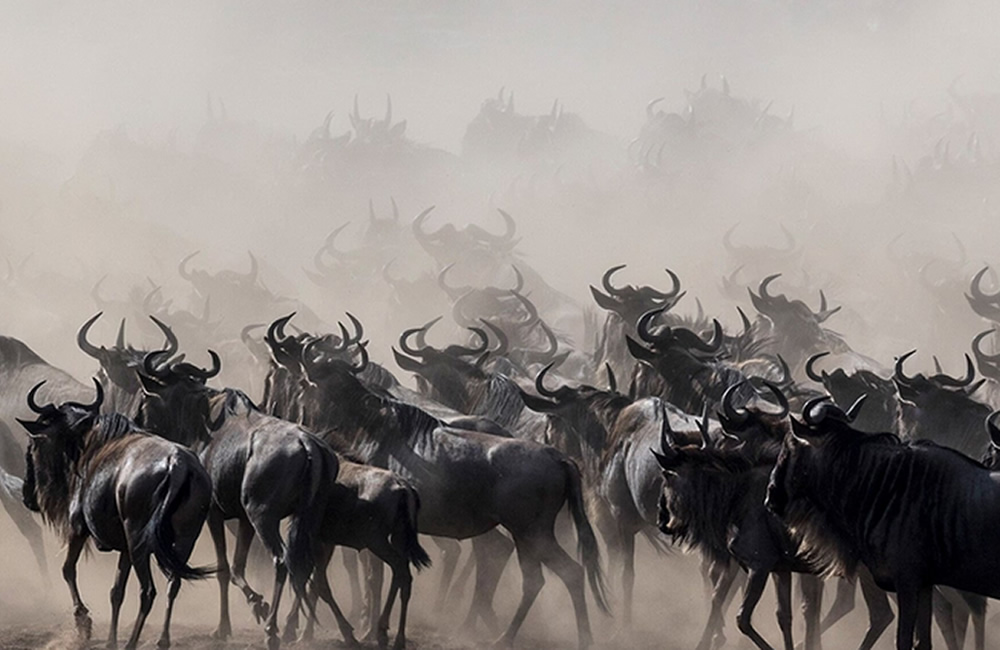
Seeing the water terrified wildebeest cross the Mbalangeti, Grumeti and Mara River is hilarious activity but it’s also a sad scenery because some are eaten by the crocodile. Wildebeest arrive at the Mara River in thousands and gather along the Mara River waiting to cross. For days their number grows but many times they turn and wander away from the water’s edge. Eventually the courageous wildebeest will choose a crossing point. Although the point may vary from year to year, each year the over a million wildebeest will use the specific spot chosen by their first wildebeest. Usually the chosen point will be a fairly calm stretch of water without too much predator-concealing vegetation in the far side, although occasionally they will choose seemingly suicidal places and drown in their hundreds.

Physical ability of Wildebeest

The animals have physical ability to travel for long distances. A newborn wildebeest gains co-ordination faster than any other animal and is usually on its feet two to three minutes after birth. It can run with the herd at the age of five minutes and is able to outrun a lioness soon thereafter

A Gamewatcher’s Gorilla Safari

0

As I lay in my bed at Clouds Mountain Gorilla Lodge, looking through the black of the night sky, I could see red explosions of color illuminating the horizon. The Virunga volcano was spewing fiery lava into the dark sky, it back-lit the clouds with a kaleidoscope-type light show of red splashes of light. Imagine falling asleep to that!

In the morning, I woke up ABOVE the clouds! Blue mountains peaked through the clouds and I watched the sun rise from beneath where I stood. Roosters were crowing, the air was crisp. I just wanted to raise my arms above my head and say out loud, “Wow! This is Uganda”!

My journey started with my arrival in Kigali, Rwanda. Kigali is the closest major airport for gorilla trekking in Bwindi Impenetrable Forest, Uganda. I went on two gorilla treks in Rwanda last year but this time my gorilla trekking safari is in Uganda.

I have photographed a bit of everything from grizzly bears in Alaska, bighorn sheep and elk in the Canadian Rockies, black bear in Wyoming, and the big cats in Africa. Photographically speaking, the experience of trekking in the jungle through a scramble of vines and bamboo, climbing the volcano and ultimately being able to hang out with a family of gorillas is the most thrilling experience ever!

Just imagine being surrounded by a family of wild gorillas! They may be in the trees and on the ground. A huge silverback may pass in front of you, just a few steps away. Wide-eyed babies pound on their chests trying to practice looking tough, but then their playful nature takes over as they pounce on each other and tumble down the hill in a rolling ball of black fur.

It is humbling and an honor to spend time with these peaceful creatures. Wild, but at the same time, looking in their eyes, you can sense their gentle side, the side that shares over 98% of the same DNA humans have.

Below is a summarized itinerary of the treks that I did both in Rwanda and Uganda. Whichever you choose, a gorilla trek will most likely be an experience that will touch your heart in a very special way.

Gorilla trekking in Rwanda normally starts out with about a 45 minute walk across rolling farm fields with beautiful volcano views. Upon reaching the park border, you enter the slopes of the volcanoes and the terrain becomes more jungle-like. Trackers will guide you and, depending on the group you are with, the total trekking time may take up to 1 to 3 1⁄2 hours + (each way). Guides will normally try to divide up groups (of no more than 8 people per group), by fitness level. In my experience, (with 2 treks in Rwanda), the trekking was much less strenuous in Rwanda (compared to trekking in Uganda).

Gorilla trekking in Uganda is a completely different experience from trekking in Rwanda. Accommodation at the gorilla trek lodges that we offer will make you feel like you are staying right in the middle of a jungle! The trek begins at the base of the volcano and the climb up the volcano zizzags through the thick and beautiful vegetation. Guests should be in a bit better physical condition for a Uganda gorilla trek (in comparison to Rwanda). Trekking time is normally 1 1⁄2 to 3 1⁄2 + hours (each way), but guests can also request their guide to try to put them in a group with similarly fit people.

Getting to Bwindi is also part of the adventure. The last 2 hours drive getting to Bwindi is on a very winding and bumpy road. It is absolutely BEAUTIFUL scenery but this drive would not be good for anyone with back trouble and older guests may be better choosing Rwanda instead of Uganda. But, for anyone with a good fitness level, personally, I found the overall experience to be very rewarding in Uganda. I liked feeling like I was staying right in the middle of the jungle, the beauty of Uganda, monkeys around my room, and also the opportunity to walk to the Batwa Pygmy village was yet another highlight of my stay in Uganda.

Batwa Pygmy visit: This was by far, one of the most amazing cultural experiences I have ever experienced on a safari. It’s a beautiful walk through backcountry Bwindi-area neighborhoods and a then your guide will take you further up into the mountainside where you’ll find the Batwa Pygmies. It is a step back in time to see how the Batwa lived and hunted in the Bwindi, They have ancient legends and very interesting traditional songs.

Logistics: It’s closer, and easier to get to Bwindi, Uganda, by flying in and out of Kigali, Rwanda. Kigali is closer than flying into Kampala/Entebbe and the scenery is fantastic along the way. An overnight at Serena in Kigali will make a great start to the safari! From Kigali to Volcanos National Park, it’s about a 3 hour drive (depending on how often you stop for photos). Even if guests are only doing gorilla trekking in Uganda, they will most likely enjoy 1 night stay in Rwanda Volcanoes National Park area. Then from Volcanoes (Rwanda) to Bwindi lodges (Uganda), it’s about a 6 hour drive of non-stop photo opportunities and exceptionally beautiful scenery. From Bwindi lodges by road back to Kigali, it’s about 7 1⁄2 hours depending on how often stops are made for photos. The drive time should not be a deterrent; rather it should be considered an added benefit to be able to see more of the beautiful country.

The Wonders of the Great Rift Valley

0
Great Rift Valley

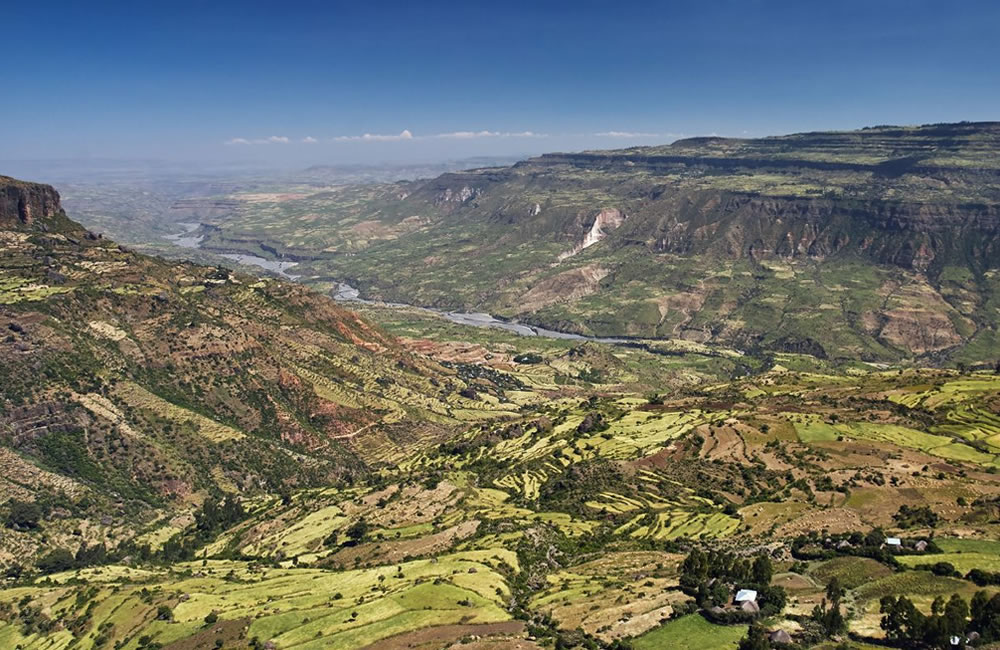
Every place in the planet has a story to tell. In Africa, The Great Rift Valley stretches 6000 Kilometers’ from Ethiopia to Mozambique and is over 35 million years old. It was formed when extreme heat and pressure forced a 1,000 mile-wide bubble of molten lava to the surface. The enormous valley has breath taking animals, lakes, gorges, craters, springs and many more undiscovered places.

Today, the Great Valley Rift is one the major tourist attraction in East Africa. In Ethiopia one of remarkable place is the Danakil/Afar depression. The Afar Depression includes the Danakil Desert and the lowest point in Africa, Lake Asal (–155 meters or –500 ft). Dallol is also part of the Depression, one of the hottest places on Earth with air-temperature record of 64.4 °C. Thousands of years ago, this low-lying area was a salt lake which has subsequently dried up and resulted in a big plain of salt which covers an area of more than 10 square kilometers and from which salt has been extracted since ancient times. It is estimated that there are 250 million tons of salt.

In Kenya, the valley is bordered by escarpments to the east and west. The floor is broken by volcanoes, some still active, and contains a series of lakes. Some of the soils are fertile from relatively recent volcanic activity.

Lake Bogoria is one of the unique lakes. The 30 sq km lake is still volcanically active, and the Western shore is lined with spouting geysers, spurting steam and bubbling geothermal pools. Water springs at the lake edge attract an abundance of birds and wildlife. The most outstanding bird is the flamingo. This birds feeds primarily on algae which grow only in alkaline lakes. Although flamingos are blue-green in colour, the algae contain the photosynthetic pigments that give the birds their pink colour. Though many hills are found in different areas of the rift valley, Mount Longonot has a very rare feature. On the sides of the mountain are V-shaped valleys and ridges with little vegetation; on the other hand a thick forest occurs within the crater. In the early 1900s, Mount Longonot erupted, and ash can still be felt around Hell’s Gate. Hell Gate has very beautiful gorges that descend into hot springs and in some places you can find rocks that will burn you.

The formation of the Great Rift Valley ensured some of the most famous places on Tanzania map .In Tanzania along the valley exist the second longest and the second deepest lake in the world. Lake Tanganyika stretches 400 mile( 676km) and is 3 miles deep. Many fish species inhabit the lake including 250 different species of East Africa cichlids. Scientist believe the cichlids evolved into many species due to the dare need to survive the harsh environment created by other fish species and animals. Ngorongoro is the world’s largest inactive, intact, and unfilled volcanic crater. Its 610 meters deep and its floor cover is 260 square kilometers. The Great Plains of the Serengeti, formed during the early stages of the formation of the Ngorongoro Crater, today host one of nature’s greatest happenings – the great wildebeest migration.

What to Do When Stuck in the Middle of Game Park

0
South Africa National Park

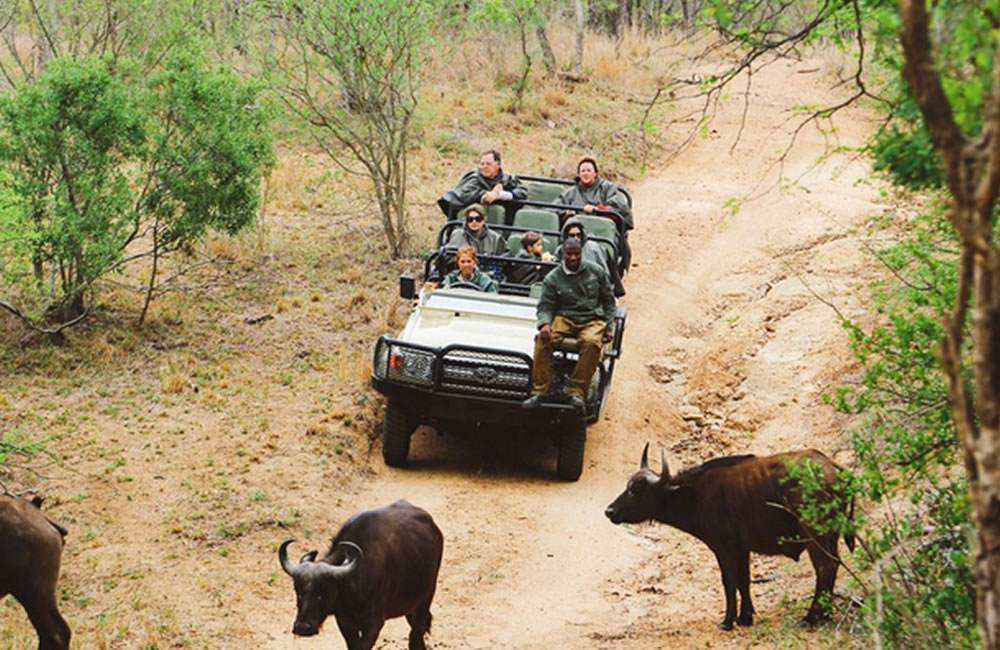
Nobody ever plans or wishes to get stuck in Wild Park, but it does happen. Here is a Plan B if you fall victim! In the interest of not interfering with the ecosystem, the road networks in most Africa national parks and game reserves are made of environmentally friendly materials. Mostly; earth, tarmac and wood. Some of these tracks equally double as transit routes for heavy duty tracks ferrying merchandise. Whenever it rains, the roads become very messy and impassable.

As such, a 4WD car is a must when exploring such destinations. They are more efficient compared to non 4WDs. However, using such means doesn’t totally eliminate the possibility getting stuck. Luckily, most Parks are served by rescue tractors that help whenever called upon. In this regard, it is important to have emergency contacts of the park you are exploring. They can be found on their official website of social media page.

Regardless of magnitude of trouble at hand, never step out of the car to fix the situation on your own unless in the company of an armed ranger. Doing otherwise will be misread by the wildlife as an attempt to poach them. As such, they might not hesitate to reproach you.

If there is any safety arena within proximity, you may walk to them for safety especially if there aren’t any possible hideouts of wildlife on your way. One should always walk in company or groups. Most importantly, they should not stray away as it makes them very vulnerable to attacks from wildlife.

Stay on marked trails. Making shortcuts is increases your chances of getting lost.

Most parks suffer limited access to good mobile network as they are found in remote regions. Similarly, phone batteries can always run out of charge. In this regard, always carry whistles which can be heard from afar. Nonstop blasts are a sign of communicating that one is in danger.

Always carry emergency kits which feature enough water, first aid kit and flashlights with extra batteries. You can never know when you’ll need them the most.

Do not tag along with strongly scented foods especially yellows when headed for a game drive or nature walk. They evoke the appetite of wildlife especially primates and heavy grazers like buffaloes, elephants. This could prompt them to cause as much trouble as it takes to get the food.

If you see a rescue helicopter, always wear bright cloths and lie down. That way, you appear bigger and more visible.

Lion Prey

0

Long considered the king of the African plains in legend, lions struggle to survive as all other species in the wilderness and when it comes to feeding they eat anything from termites to elephants in order to survive. They are also renowned scavengers.

In many parts of Africa lions have specialized in hunting specific prey species, and buffalo are of the top prey species in many parts.
After watching the drama of lions hunting buffalo it is easy to understand why lions scavenge when they can.

Lions are opportunistic hunters but they have to hunt certain species such as porcupine with care as quills can cause great damage.

Despite the ferocious reputation honey badgers are often caught and killed by lions.

In arid areas lions will eat anything they find, including termites, but in areas of plenty lions will hunt small mammals such as mongoose but then use the carcass as a toy without eating it.

The cliched picture of lions as the king of the beasts is misleading as they have the lowest succes rate when hunting.

Individual pieces of meat, such as this elephant’s penis, are prized items at a carcass and may be taken into the shade to be enjoyed.

In some areas of Africa scavenging makes up more than half of the lion’s food intake as generally carcasses arfe easily accessible.
The softer parts of the carcass such as the stomach contents are much sought after by lions when feeding.

Tension at a carcass can boil over into aggression when a number of members of a pride are feeding at the same carcass. Lions are often harrassed by hyenas when they are feeding on a kill and sometimes have to succumb to sheer numbers. Lions have been known to feed on a single carcass for over a week, and will not hesitate to scavenge rotting carcasses.

When feeding on large prey lions will stay in the vicinity of the carcass until circumstances force them to move. The Okavango is fed by waters that journey from highlands thousands of miles away and spill into the delta to form one of natures miracle and from the air the Okavango Delta is a masterpiece of modern art.

Trekking Kilimanjaro and Mountain Gorillas

0
Mount Kilimanjaro

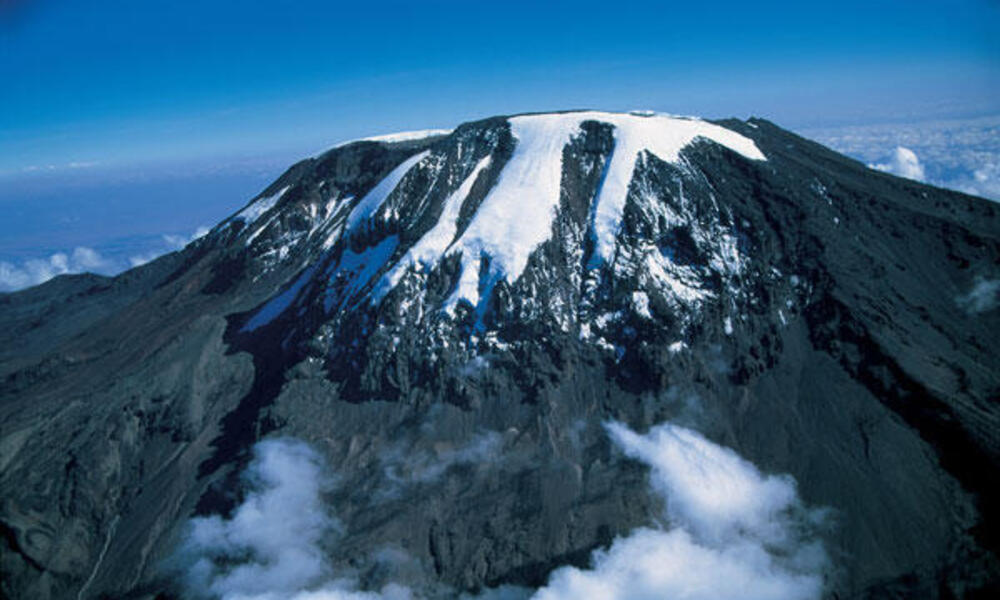
For the ultimate East African adventure, nothing compares to the thrilling combination of climbing Mount Kilimanjaro in Tanzania and trekking with mountain gorillas in the misty forests of Uganda or Rwanda. These two experiences are not only bucket-list-worthy, but they also provide a stunning contrast — from the icy heights of Africa’s tallest peak to the lush jungles that protect some of the world’s most endangered primates.

If you’re planning to tick both off your list in one epic trip, here’s everything you need to know to do it right.

Climbing Mount Kilimanjaro – Reaching the Roof of Africa

At 5,895 meters (19,341 feet), Mount Kilimanjaro is the highest free-standing mountain in the world. While it requires no technical climbing skills, the Kilimanjaro trek is still a demanding trek that requires preparation.

Choosing the Right Route

There are several routes to the summit. Here’s a quick comparison:

  • Lemosho Route (7–8 days): Remote and scenic with high success rates.
  • Machame Route (6–7 days): The most popular route with diverse landscapes.
  • Marangu Route (5–6 days): Known as the “Coca-Cola Route” — less physically demanding, but lower success rates.
  • Rongai Route (6–7 days): Approaches from the north, drier and less crowded.

When to Climb

The best times to summit Kilimanjaro are:

  • January–March: Dry, fewer crowds, colder at the summit.
  • June–October: Most popular season, clear skies and good trail conditions.

Avoid April–May and November, which are rainy seasons.

Fitness & Altitude Prep

No climbing experience is needed, but physical fitness is crucial. Train 2–3 months ahead with:

  • Cardio workouts (hiking, running, stair climbing)
  • Strength training
  • Hiking practice with a loaded daypack

Altitude sickness is real. Choose longer routes to allow for proper acclimatization, and consider Diamox with your doctor’s approval.

Gorilla Trekking – A Rare Encounter in the Jungle

Once you’ve stood on the summit of Kilimanjaro, reward yourself with a humbling, heart-racing experience: tracking mountain gorillas in their natural habitat.

Where to Go: Uganda vs. Rwanda

Both countries offer unforgettable experiences, but there are a few differences:

Uganda

  • Bwindi Impenetrable Forest or Mgahinga Gorilla National Park
  • Permit: $800
  • Treks can be longer and more rugged
  • Rich biodiversity and cultural experiences

Rwanda

  • Volcanoes National Park
  • Permit: $1,500
  • More accessible treks, well-organized infrastructure
  • Shorter drive from the capital, Kigali

Best Time to Trek with Gorillas

  • Dry Seasons: June–September and December–February
    Easier trekking and better photographic conditions.

What to Expect on the Trek

  • Trek duration: 1–6 hours depending on gorilla location
  • You’ll spend 1 hour with the gorilla family
  • Group size: max 8 people
  • Age limit: 15+ years
  • Porters available for hire

Bring:

  • Long-sleeved, neutral-colored clothing
  • Waterproof boots
  • Gardening gloves (for gripping vegetation)
  • Rain gear
  • Camera (no flash)

Travel Logistics: How to Connect Kilimanjaro and Gorilla Safaris

Step-by-Step Travel Plan

  1. Start in Tanzania: Arrive at Kilimanjaro International Airport (JRO).
  2. Climb Kilimanjaro: Choose a 7-8 day route.
  3. Fly to Uganda or Rwanda:
    • From Kilimanjaro or Arusha to Kigali (Rwanda) or Entebbe (Uganda) via Nairobi.
  4. Gorilla Trekking: Spend 3–4 days including travel and trekking.
  5. Fly Home: From Kigali or Entebbe.

Pro Travel Tip

If you’re doing both treks in one trip, consider spending a rest day or two between the climb and the gorilla trek to recover, especially after descending Kilimanjaro.

Packing Tips for Both Adventures

Here’s what you’ll need to pack for a dual Kilimanjaro and gorilla trekking experience:

For Kilimanjaro

  • Base layers and thermal clothing
  • Waterproof shell and pants
  • Down jacket
  • Good hiking boots (broken in!)
  • Headlamp, gloves, hat
  • Sleeping bag rated to -10°C
  • Trekking poles, gaiters

For Gorilla Trekking

  • Long-sleeved shirts and pants
  • Waterproof boots
  • Lightweight rain jacket
  • Gloves and gaiters
  • Insect repellent
  • Camera with zoom lens

Pack smart, layer appropriately, and don’t forget your travel insurance, yellow fever certificate, and East African Tourist Visa if traveling between Kenya, Uganda, and Rwanda.

Final Tips: Make It the Trip of a Lifetime

  • Book early: Gorilla permits are limited and in high demand.
  • Go with a reputable outfitter: Choose companies that prioritize safety, sustainability, and local employment.
  • Add cultural experiences: Visit Maasai villages, Kigali Genocide Memorial, or Batwa communities for deeper insight into the region.
  • Be respectful: Both gorillas and the mountain deserve reverence. Practice low-impact tourism.

One Continent, Two Adventures, Infinite Memories

Going on a trip that includes both Kilimanjaro and gorilla trekking is a trip of extremes, both physically and mentally. In a single moment, it’s a test of endurance, awe, and a powerful reminder of how beautiful and fragile nature is.
This East African journey is the best travel story ever if you want an adventure that will test your limits and touch your heart.

Guide to Hiking Mount Nyiragongo in Eastern Congo

0
Nyiragongo Volcano

Looking to Hiking Mount Nyiragongo in Eastern Congo? Here is a complete guide to planning a hiking expedition to Nyiragongo, one of the few active volcanoes in Africa.

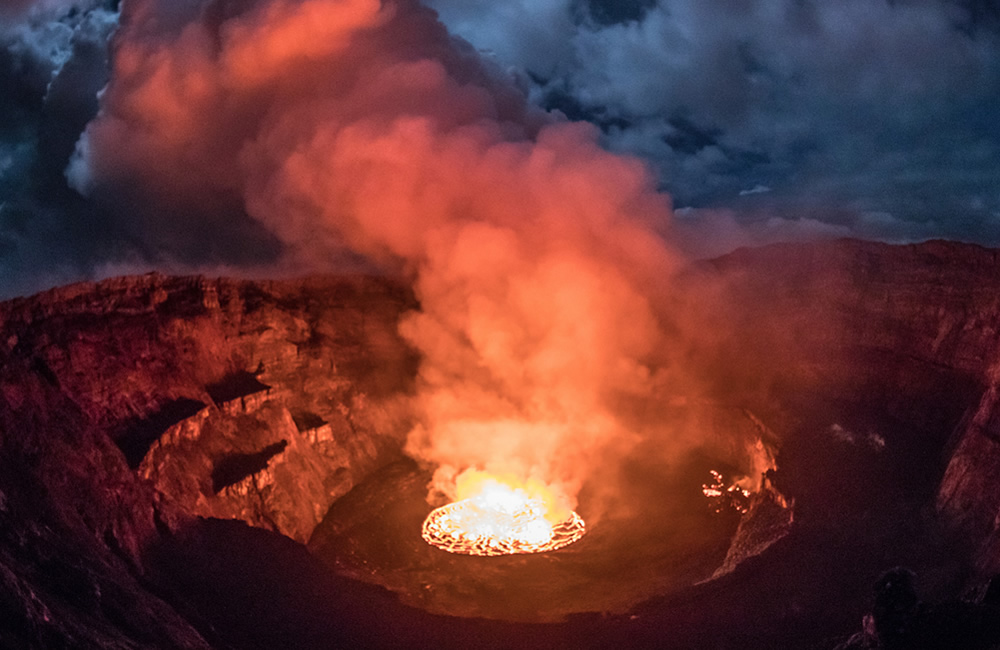
Mount Nyiragongo is a spectacular strato volcano that hosts one of the world’s largest and rarest lava lakes, making it one of Africa’s most exciting and rewarding hiking experiences. Lava lakes are without a doubt one of the most impressive forms of volcanic activity that any outdoors enthusiast could hope to witness. Once you have reached the summit on your Mount Nyiragongo climb, you will be able to observe its bubbling lava cauldron (from a safe distance) and feel this volcano’s energy, as it heaves and breathes. An overnight stay at Mount Nyiragongo crater edge will allow you to enjoy this spectacle in the dark, but also at dawn and dusk when its alluring beauty is enhanced.

How the Hike is Planned

After an early wake-up call, breakfast and a swift transfer to the Rwanda/Congo border post, you will cross into the Democratic Republic of Congo and drive on towards the Kibati patrol post at the base of Mount Nyiragongo, a mere 50km outside Goma. After a safety debrief and final check of everyone’s packs and equipment you begin the climb towards Mount Nyiragongo summit. The party will be lead and escorted by a set of rangers/guides and a small contingent of porters.

For the first two hours of the walk you will traverse a lush pristine forest, where towering trees offer a welcome shelter from the sun until you emerge from the forest onto a small plateau with commanding views that stretch towards the infinite horizon, with Lake Kivu, Bukavu, Rwanda and Burundi at your feet. You are now standing on the lava flow remnants of Mount Nyiragongo 2002 eruption. From here on, the climbing trail becomes firmer and the forest gives way to several swathes of recovering heath with vegetation dominated by ferns, sedges, heather and everlastings.  Shortly after noon, you will reach Mount Nyiragongo crater and your overnight cabins. The remainder of the afternoon will be spent exploring the craters edge and soaking in the surrounding views and Mount Nyiragongo bewitching lava cauldron. Fortunately your guides know exactly how to reach the best observation and photogenic spots safely. When everyone has had enough, the party will return to camp to settle into their cabins, rest and enjoy an early supper.

At 18h00 you will return to a designated spot at the craters edge to gaze and appreciate again Mount Nyiragongo molten Lava Lake. In the dark of night one is able to appreciate better the dark crusty surface of Lava, spliced and splitting into ever changing plates. As the plates separate, bright orange lava fill the cracks and a fantastic spider-web pattern emerges. Every now and then fountains of lava flare up disrupting these pretty patterns, but adding a surge of dynamism and power to this spectacular sight.  Sometimes, fountains appear throughout the crust like a collection of campfires, creating yet another fascinating show and if you want to experience this amazing adventure in Africa.

Frequently Asked Questions about Planning a Hiking Trip to Nyiragongo

Is it Safe to Climb Mount Nyiragongo?

What is the Best Time to Visit Nyiragongo?

What Degree of Fitness is Need to Hike the Nyiragongo Volcanoes?

Which Companies can I book With?

How National Parks in East Africa Manage Poaching?

0

Poaching remains one of the biggest threats to wildlife across Africa, with national parks in East Africa being key areas at risk. In response to this, countries in the region have been stepping up efforts to combat poaching through a combination of stronger laws, better enforcement, and innovative strategies, in recent years conservation groups have begun backing new ways to deter poachers. The newly created Wildlife Justice Commission (WJC), for example, gathers evidence to disrupt and help dismantle transnational, organized wildlife crime. National parks in East Africa use a variety of strategies to manage poaching, including:

INCREASING RANGER PRESENCE

National parks increase the number of rangers and the frequency of patrols. For example, Murchison Falls National Park in Uganda has built new ranger outposts and deployed more rangers. Increasing ranger presence in national parks is one of the most effective ways to fight poaching and protect wildlife. Rangers are the first line of defense against illegal hunting and other harmful activities in protected areas. This ensures constant monitoring and patrolling of the park regularly which makes poachers to operate unnoticed their presence serves as a deterrent as poachers are less likely to risk being caught and strengthens the security.

IMPROVING INFRASTRUCTURE

Parks build new infrastructure and professional management systems. For example, Murchison Falls National Park has deployed the Global Park Défense program to improve park-wide communications. It enables better monitoring, faster responses, and enhances the overall ability to protect wildlife. With stronger infrastructure, parks are more capable of safeguarding their natural resources and ensuring the survival of endangered species. Well-developed infrastructure enables better coordination between park rangers, local authorities, and national security forces. Effective communication networks and transportation routes make joint operations smoother and more efficient when responding to poaching incidents.

USING COMMUNITY-BASED STRATEGIES

Parks work with local communities to create jobs, mitigate human-wildlife conflicts, and raise awareness. For example, Tsavo National Park in Kenya works with community leaders, farmers, and the church to implement strict laws and regulations. By involving local communities in park management and decision-making, trust is built between park authorities and the people living near the park. This collaboration can lead to better enforcement of park rules, as communities become invested in the success of conservation programs. Trust also encourages communities to share information about poaching or illegal activities they witness.

USING INTELLIGENCE

Parks use intelligence-led operations to detect and stop poaching. For example, Uganda Wildlife Authority has established units to gather evidence, investigate, and prosecute wildlife crimes. Intelligence strategies are essential for proactively managing poaching in national parks. They allow park authorities to gather vital information, predict poaching threats, target key poaching figures, and coordinate responses more effectively. By using intelligence, national parks can prevent poaching, protect wildlife, and disrupt illegal networks, leading to stronger and more sustainable conservation efforts.

TRAINING RANGERS

Rangers receive training to help them stop wildlife crime. For example, rangers in Kidepo Valley National Park in Uganda undergo training from the US Army. Rangers often educate the public and tourists about the importance of conservation and the dangers of poaching. When people understand the impact of poaching on endangered species, they are more likely to support efforts to protect wildlife.

USING PREDICTIVE MANAGEMENT

Parks use predictive management to identify and address the variables that contribute to illegal hunting. By analyzing patterns of poaching and understanding how poachers operate, intelligence gathering can help predict when and where poaching might occur. This enables rangers and law enforcement to focus their efforts on high-risk areas, improving the chances of intercepting poachers before they act.

CONCLUSION:

East African national parks use a combination of strategies to effectively manage poaching and protect wildlife. By increasing ranger presence, improving infrastructure, and using intelligence-led operations, parks can monitor activities more closely and respond quickly to threats. Community-based strategies also help by involving local people in conservation efforts, building trust, and encouraging them to report illegal activities. Training rangers and using predictive management further enhance these efforts, ensuring that park staff are well-prepared and can anticipate poaching threats. Together, these approaches create a strong defense against poaching and contribute to the long-term protection of endangered species and ecosystems in East Africa.

5 Iconic Wildlife Species that Need Our Help

0
Wild Dogs in Africa

With emotive documentaries and spectacular photographs capturing the abundance and diversity of Africa’s wildlife, it seems that our plains are abuzz with life. But in reality, thanks to human intervention, habitat encroachment, poaching and even war, there are a number of Africa’s most iconic species whose populations are under serious threat.

Their survival and ability to thrive is now dependent on us again. Luckily, there are a number of organizations worth supporting who have dedicated their lives to protecting and conserving these vulnerable species. Here are just five of Africa’s species in dire need of help.

Penguins

Due to the introduction of industrial fishing around the Cape, the iconic black and white African penguin was declared Endangered in 2010. With an estimated 25,000 breeding pairs left in the wild, the population is at approximately 2.5% of the estimated figure of one million breeding pairs, recorded in the early 20th Century.

It is clear to see that seabirds, such as the African penguin, are in dire need of help. Luckily, organizations such as SANCCOB and SAMREC are doing all that they can in an effort to save and bolster the waning penguin population in South Africa. As non-profits these organizations rely on volunteers and contributions from the public to carry out their precious work in seabird conservation.

Rhinos

Perhaps the most widely campaigned-for species in Africa is the rhino. Both black and white rhino have been poached for their horn to a point where the survival of their species is teetering on the edge. According to WWF, there are approximately 4,800 black rhino and 20,000 white rhino surviving in the wild, with this number declining on a daily basis. The rising demand for rhino horn, has driven poaching to record levels.

This said, there are a host of organizations raising awareness and helping to fight against poaching of these precious animals. The MyPlanet Rhino Fund (administered by the Endangered Wildlife Trust) puts rhino conservation in the spotlight, and has supported best practice and innovation since its creation in March 2011. The fund disperses money raised to a variety of conservation organizations and government agencies working towards the protection of rhinos.

Gorillas

As humans have encroached on gorilla habitats in the Virunga landscape, they have cleared land for agriculture and livestock, destroying hectares of forests in which mountain gorillas once dwelled. The war in Rwanda in the 90s, and years of civil unrest in the DRC drove thousands of refugees into the Virunga region, which is home to more than half of Africa’s mountain gorilla population. This led to increased poaching and habitat destruction. Grauer’s gorilla, a subspecies of the Eastern gorilla, the largest ape in the world, was recently just been added to IUCN’s Critically Endangered red list.

However, gorilla tourism in Uganda, Rwanda and even the DRC is helping to pour money back into local communities and into gorilla conservation. Organisations such as WWF are also working together with local communities surrounding the Virunga landscape to encourage them to protect and conserve this important species.

Elephants

African elephants have a number of factors threatening their survival in the wild. Potentially the biggest of these is poaching for ivory. Poachers are decimating their numbers, with tens of thousands of elephants killed every year for their tusks.

Elephant-human conflict is another issue facing Africa’s elephants. A large amount of elephant habitat continues to be lost to the agricultural industry. When their crops are damaged by elephants passing through, farmers will sometimes retaliate by killing them. As animals that naturally migrate hundreds of kilometres every year, their loss of habitat has had hugely detrimental effects on their survival as well as their relationship with humans.

To help mitigate this human-wildlife conflict and protect elephants from poachers, South Africa has a number of anti-poaching units and organizations focused on conservation. Volunteer programmes such as SANParks Honorary Rangers , the official fund-raising arm of SANParks, helps to protect and monitor elephants in South Africa through passionate, committed individuals.

African Wild Dog

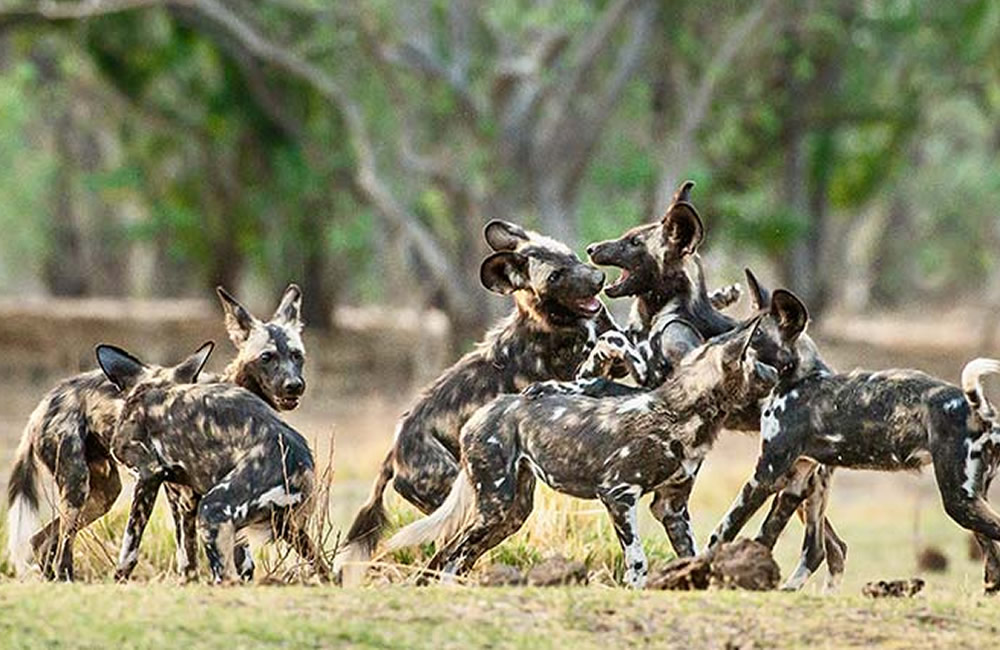
Less than 6,600 African wild dogs remain in the wild today. Challenges with human-wildlife conflict has been a major contributing factor to the endangerment of these dogs. Throughout the continent, wild dogs have been poisoned or shot by farmers, who sometimes mistakenly blame them when another predator kills their livestock.

As human populations expand, leading to agriculture, settlements, and roads, African wild dogs are losing the spaces in which they were once able to roam freely. Human encroachment from urbanization and clearance has severely reduced their range and numbers, with wild dogs all but disappearing in 15 of the 39 sub-Saharan Africa countries in which they one ranged.

The Wildlife ACT is one of the organizations working to fight against the worrying decline of South Africa’s wild dogs, with much of their work focusing on Endangered and priority species.

Latest Updates