Home Blog Page 6

Encounter the Mountain Gorillas in Rwanda
0
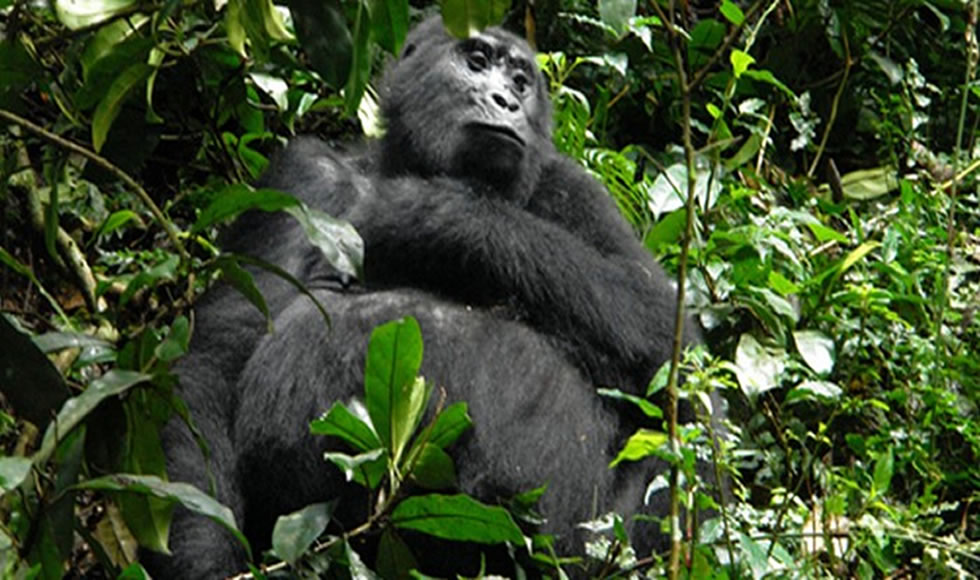
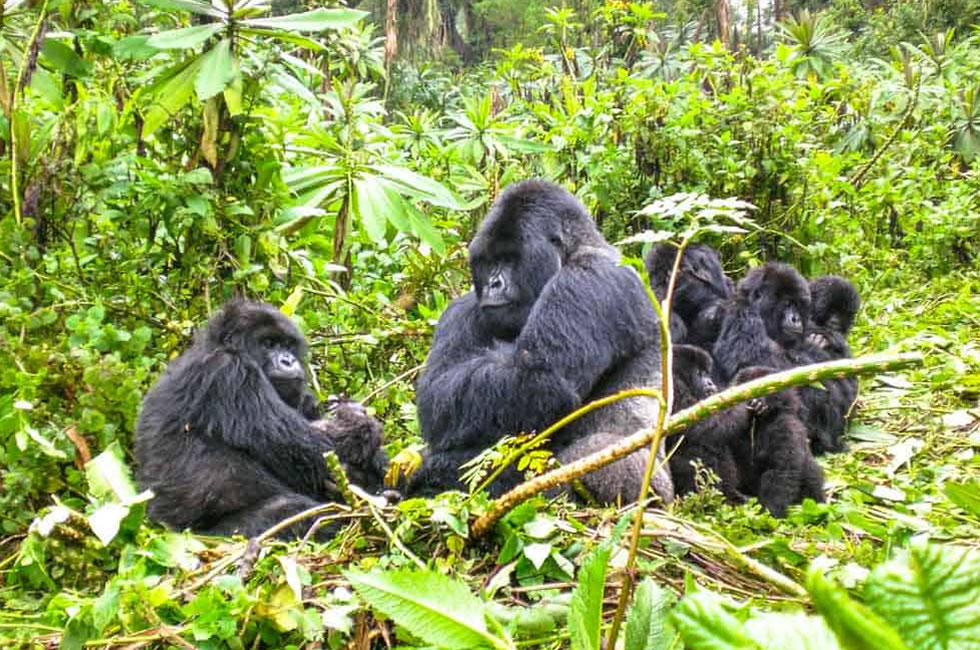
Rwanda Mountain Gorillas

Most tourists planning to visit any African country always worry about not meeting their expectations and most of them perceive Africa as an insecure tourism destination. That is very wrong because Rwanda is today one of the safest country to be in for a tour or wildlife safari. Though Rwanda was affected by the 1994 Rwandese genocide, the country has greatly recovered over the decades and today its one of the most developed countries in east and central Africa. The country has various tourism attractions evenly distributed all over the country. Of the many attraction are mountain gorillas located in volcanoes national park.

Mountain gorilla encounters in Volcanoes Park Rwanda are some of the mind blowing and astonishing experiences that one can have ever have on a safari in Rwanda. They were most made popular to the western world by Dian Fossey an American zoologist who spent years in the forests studying these untamed animals.

Mountain gorillas are the largest of the Apes family and are close to humans having over 95%DNA similar to humans. They are strong and their enormous size makes them a little dangerous. Mountain gorillas are a little shy and spend most of their time hiding in the wild feeding, females looking after their young mountain gorillas and the males-silverbacks always looking for new feeding grounds and very determined to protect their territories.

Mountain gorilla permits are the first things to think about in Rwanda because mountain gorilla trekking is an activity preferred by many tourists and only 80 gorilla permits are available for tourists a day. Only 8 tourists are allowed to track one of the 10 mountain gorilla families in the national park. The permits are sold at $750.

Volcanoes National Park can be easily accessed from Kigali international airport just after a 2-3 hours drive on a well-developed tarmac road. You do not need to worry about accommodation because volcanoes national park has a number of well developed lodges where one can have a good night sleep while preparing for the greatly anticipated mountain gorilla day. The standard accommodation facilities where one can relax include gorilla Mountain View lodge, Sabyinyo silverback lodge and Virunga lodge among others.

After having a good sleep and waking up early morning to the sounds of the birds and great views of the beautiful the gently sloping hills covered with evergreen forests, tourists head to the Kinigi park headquarters where they are served with locally made hot coffee and tea as the a local group of entertainers bring lots of smiles to your faces jumping and dancing. You are then divided into groups of 8 and allocated to the 10 gorilla families. After being briefed, you then head to the jungles in search for the allocated gorilla group, which takes from 30 minutes to 5 or 6 hours.

Just a step in the forest introduces you the true African wilderness and sounds of nature. The guides in volcanoes national park are always willing to explain to the tourists the jungle and some of its inhabitants. As the journey proceeds, your guide is informed by the trackers who usually go ahead of the tourists tracking where exactly the gorillas are.

In just few minutes after having given proper direction by the trackers, a look through the vegetation introduces you to the mountain gorilla. The gorillas just relax eating the leaves in the reach of their hands as they stare at the very curious tourists taking their photographs.

While here, tourists are advised tourists are advised to keep a reasonable distance to avoid being attacked by the gorillas. An allowance of just an hour is given to the tourists and when it elapses, they are directed back to the headquarters, given certificates of participation for having gone for the great adventure. In addition to the remarkable gorilla experience, being in Rwanda feels like being home away from home and this explains why tourists are always forced to visit the country again.
Visiting the Endangered Mountain Gorillas

0
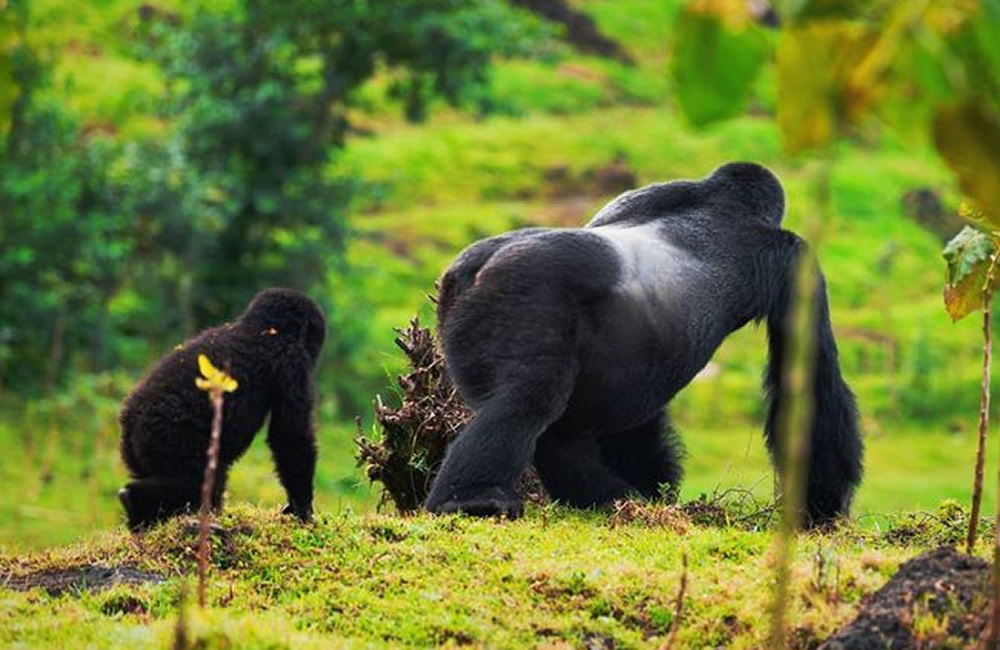
Alpha Mountain Gorilla

Within Africa, there only three options regarding mountain gorilla treks, and that is Uganda, DR Congo and Rwanda. These great apes that are listed as endangered by the International Union for Conservation of Nature (IUCN) are endemic to the Virunga Mountains that spread over Uganda, Rwanda and DR Congo and a separate population lives in the Bwindi Impenetrable Forest of South Western Uganda.

Within Uganda, gorilla trekking is conducted in Bwindi Impenetrable Forest or Mgahinga Gorilla National Park located in the southern part of Uganda.

Within the Democratic Republic of Congo, the mountain gorillas are found in Virunga National Park which is a UNESCO Heritage site. And within Rwanda, mountain gorillas are trekked in Volcanoes National Park. The country is also blessed with the eastern low land gorillas (another sub species of the Eastern gorilla) which are found in Kahuzi Biega National Park and Maiko National Park. The Virunga National Park is located in the eastern side of DR Congo and borders both Uganda and Rwanda.

The park is found in the west direction of Goma which is capital of north Kivu province. Transport from Goma to the park can be arranged by the management of Virunga National Park. Tourists travelling from Rwanda have the best option of reaching Goma and it takes 3 hours to drive from Kigali to Goma. Goma can also be accessed from south western side of Uganda at the border crossing Bunagana border where you are able to purchase a local visa for crossing. If you’re planning to track mountain gorillas in Virunga national park, you are advised to book with one of the best local tour operators and the Congo gorilla permit costing $400, Uganda $800 and Rwanda $1500.

And within Rwanda, mountain gorillas are trekked in Volcanoes National Park.

Today the endangered mountain gorilla is confined to the Virunga Massif, a cluster of forested volcanoes that straddle the borders of Rwanda, Uganda and Democratic of Congo. Gorilla trekking in Congo takes place in the Mikeno area, close to the Park headquarters; about two hours’ drive from the gateway town of Goma.  Compared with chimps, gorillas are very relaxed animals, but this is like no other encounter and nothing prepares you for its thrilling experience. You cannot explain the encounter mountain gorillas, there is no denying that being in the company of these great apes, meeting those searching intelligent, eyes in face that seems reflect your own, is an out of this world experience their behavioral trend just leaves you in great awe.

Mountain gorilla trekking experience is all the same in both countries which involves hiking deep into the mountain jungles to observe a gorilla family in the wild. Tourists are led by armed park rangers with machetes to battle with the big vegetation. The park rangers help to locate a gorilla family where it slept the previous night. Both adventures in Uganda and Congo begin with morning breakfast and then transfer to park headquarters for short briefing about the gorilla rules and the forest. From there you are driven to the starting point of your gorilla trekking. In Congo, Bukima patrol post is the starting of your gorilla trekking.

In both countries, the length of the trek entirely depends on the gorilla movements which can take from 2 to 8 hours, for some people it can take short time to find them and other much longer. Trekking to see mountain gorilla may be tiresome but when you first set your eyes on a silver back gorilla for the first time, all the fatigue is taken away, seeing mothers holding their babies, Juvenile gorillas playing, as you keep an eye out on the gorilla family as the one hour passes by, don’t forget to take pictures and videos for your life time memory. It is government law that you can only spend 1hr with a family at a time. This may seem unreasonable, as the price of the permit isn’t that cheap, but if putting a time limit on visits means that it protects the gorillas from catching any human disease and basically from being too accustomed to us. You cannot eat, drink, smoke or go to the toilet near the gorillas. Talking should be kept to a minimum also so as not to disturb them.

The mountain gorillas of both Uganda and Congo can be visited anytime during the year. However some paths are hard to navigate during the wet season of April, May and November. Other months are better for gorilla trekking since it is dry season. When planning for your trekking excursion to see gorillas in Bwindi Impenetrable Forest and Virunga National Parks, we advise you to come with a few things that are useful for you to attain your lifetime ultimate experience that involves trekking/hiking visit mountain gorillas in Uganda and Congo.

  • You need light weight hiking boots for this activity/strong waterproof walking boots due to nature and altitude of the forest. So get shoes that have good ankle support.
  • Take a light jumper and lightweight breathable waterproof jacket/trousers as temperature is variable and weather conditions can change
  • Lightweight long wool socks which are comfortable for a mountain tropical forest
  • A few long-sleeved shirts/trousers. Please ensure that you trek in your long sleeved trousers/shirts to avoid insects such as safari ants entering your trousers.
  • Sweater for cool evenings and chilly mornings due to nature and altitude of the place
  • Please carry a hat to protect you from the strong sun rays if it is hot.
  • You may also need to carry some Sunglasses too with neck strap
  • Sun cream is also necessary
  • Video/photo camera, extra lenses and Reserve batteries. Photography is an important component of your safari and make sure that you have your camera ready, charge your batteries very well and if necessary, carry extra batteries as you will need to take many photographs in the one hour you will have with the gorillas.
  • Insect repellents to protect you from Mosquito bites as Bwindi and Virunga Park is a tropical forest so many insects are accommodated there in.
  • Garden gloves that will protect you from germs and other items that may scratch your hands.
  • A glove to grip vegetation and it’s also best to have different layers of clothes since the temperatures tend to change.
  • Energy Giving snacks. Gorilla trekking can take from 30 minutes to eight or so hours and that’s why a certain level of fitness is required. To add on that, we advise that you carry some energy giving snacks as supplements and lots of drinking water as you never know when you will return.

It’s World Elephant Day: Interesting facts About Elephants

0
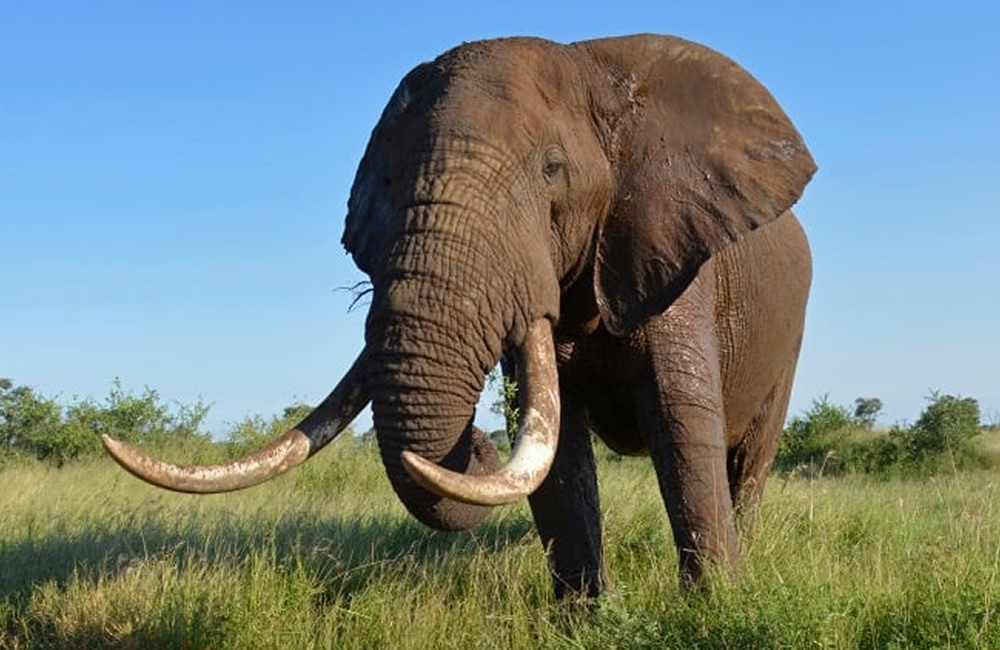
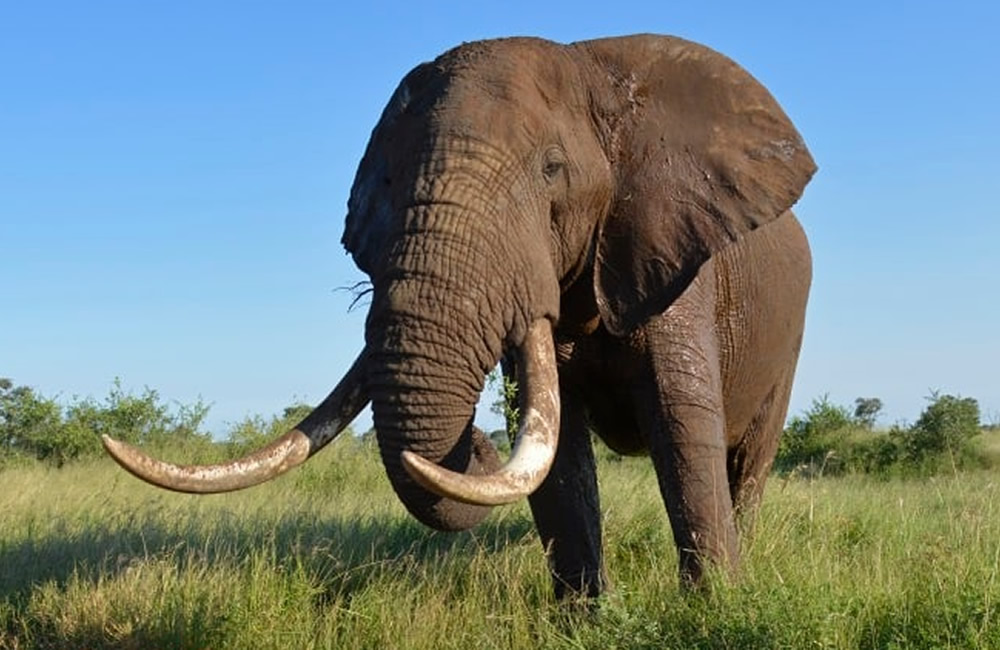
Elephant Tusk

The African elephant is the largest existing land animal in the world, which makes them very easy to sight in the many animal reserves and national parks that they can be found.
Elephants are amazing creatures and these are some of the known facts about them.

There are two types of elephants
In Africa, you will find two types of elephants in the wild. However, the distinction is not quite obvious till you move close enough to look at them. Savannah elephants are slightly larger than their forest counterparts and on the other hand the latter are usually grey in color and live mostly in the jungles and forests.

Intelligence
Elephants are known to have a high intellectual quotient, almost close that of human beings. This makes them one of the most intelligent animal species in the world. Their brain is believed to be formed in the same way as that of a human, with a total of over 300 billion neurons and general connectivity.
The elephant brain is also big in size compared to other animals even though the Asian elephant is believed to be more intelligent than the African one.

Lifespan
African elephants can live up to 80 years — especially when not in captivity — compared to their Asian cousins whose lifespan is estimated to be 48 years.

Gestation period
Of all mammals, elephants have the longest gestation period of approximately 22 months. The long developmental period allows the fetus to mature and once the calf is born, it stands and starts walking on its own. Just like humans, elephants raise their young and a new calf is always at the centre of the herd to avoid attacks. The calves are fed on milk for the first few months and in the absence of its mother, the calf is adopted and raised by the other cows (female elephants).

Feeding
Elephants are herbivorous animals and feed according to their different locations. In Uganda, the forest and savannah elephants feed on leaves and grass close to their habitats. They use their trunks and tusks to forage for food.

Family
Elephants, especially females, live among their families compared to the males. They move in herds led by the oldest female known as a matriarch who provides direction and decision for the young herd members. Once the matriarch dies, she is succeeded by her eldest daughter to lead the group. The bulls (male elephants) usually separate from their families when they hit puberty and tend to live with other bulls or live alone and can only move when looking for a mate.

Emotions
The elephant species displays some similar emotional traits as those of human beings. They are known to show compassion and empathy to others, especially in situations where one of them is ailing. They take care of their old by feeding them and usually bury their dead by digging a hole and covering it with leaves or mud.

Ears
Their huge ears are a huge distinctive body part that is usually used to differentiate an African elephant from an Asian one. Asian elephants have small ears while the African elephants have big ears, which they use to fan out the savannah heat. The ears contain blood veins known as capillaries that transport blood through the ear and helps release excess body heat by flapping.

Tusks and trunk
Elephants’ tusks are a huge part of their life and you will find that some elephants are either left-tusked or right-tusked depending on what tusk they use the most. You cannot remove an elephant’s tusk without bringing harm to it, since they usually contain veins that go up to their skulls.

The trunk is a boneless long muscle that serves as both an upper lip and nose for the animal. They are used for several things, including breathing, feeding and touching other elephants to show emotions and vocal communication.

Elephants are some of the most endangered animals in Africa, due to the rise in illegal ivory trade carried out in national parks.

Go Gorilla Trekking in Rwanda Volcanoes

0

An exhilarating trek through the cultivated bottom hills of the Volcanoes offers stirring views in all directions!

Volcanoes National Park is one of the best national parks in Africa, a rewarding destination to travelers looking for gorilla safaris in Africa. Given its close location to Kigali City, the park is the favorite place for gorilla treks in Africa if compared with Bwindi Impenetrable Forest and Virunga National Park.

How to get to Volcanoes National Park

Very dip in the small village called Musanze formally well-known as Ruhengeri that is very accessible by public transport from Gisenyi or Kigali or from the airport, the Volcanoes National Park (PNV) is found. It has become the most popular and famous tourist destination in Rwanda mainly because of the mountain gorillas. The most prominent adventure is gorilla trekking and visitors from various countries visit to the park. The greatest advantage of visiting the PNV is that with out spending some what a lot of time on the road on can reach the park in about 2-3 hours traveling by road from Kigali!

The volcano massif is home to around half of the world’s precious mountain gorillas – some 390 of them. Volcanoes National Park is the most popular place for safaris in Rwanda and the park is a favorite to those looking to gorilla tracking in Africa.

About the Virunga Gorillas

In spite of what similarity among African gorillas, the mountain gorillas are unique apes, having almost the likeness of (Black Africa Zenje people). They are very big and walk while standing on two legs.Though the gorillas are strong animals, they are interested animals if not provoked. The Virunga gorillas are often seen smiling with their “romantic” voices.The sound is kwi kwi kwi……and they give good welcome to those looking to meet them! The young ones are very playful and on a gorilla trek, you have up to one hour to follow the gorillas and learn about how they live within the mountains.

Safaris Activities on a Volcanoes National Park holiday

Gorilla Tracking

Spend such precious hour with Gorilla Company while watching the group playing, sulking, teasing each other, eating, or dozing just like we do – is extraordinary. And the gorilla tracking safaris in Rwanda’s Volcanoes National Park are among the best in Africa.

Visitors leave early in the morning for their briefing at the Park head quarters and then in parties of 7-8 will be taken to their allocated group with a guide and trackers. Some gorilla wanders up the mountain, however, it is often utterly rewarding.

Acclimatization

Not only tracking gorillas is activity in volcanoes. Before visiting to the gorillas, we give a guided walk into the mountains well known as (acclimatization).This allows you to spend more time looking at the other wildlife in forest, and to gain a better understanding of the overall ecosystem.

Excursion on tomb of Dian Fossey and the Karisoke Research Centre

This walk takes a couple of hours of fairly steep walking, hiking to the Crater Lake on Mount Bisoke 1day is my best option too.

Activities in the park

  • Visiting the twin lakes of Ruhondo and Bulera,Hiking Karisimbi volcano (It’s over 3,800 m)
  • Visit the Iby’Iwacu cultural village Tour
  • Take an excursion to Musanze Cave Tours

Wildlife

The Park harbors a spectacular array of rare and endangered animals and plants as well as infamous mountain gorillas.There is a variety of other primates such as buffalo, giant forest hogs,bush pigs, bushbucks, black-fronted duikers, the endemic golden monkeys, plus forest elephants. Despite the above activities, Virunga contains over 200 species of birds. This offers the opportunity for bird watching.

The Twin Lakes of RUHONDA and BURERA

  • Can it be possible two lakes born to gather…? Find more history as you plan your holiday.

The twin lakes of Burera and Ruhonda were named so because they are locate in the same areas and their physical connection. They are situated with in Musanze district a walk away from the Volcanoes national park. The lakes offer tourists a beautiful view of landscape, wetland habitat, and water birds.

Along Rwanda’s coastline

As tired as loaded lorry, mountain hiking and gorilla tracking are tiresome; but you can get refresh and relax at Lake Kivu.This is the center of all sports and beach activities.At only an hour away from Volcanoes National Park, Rubavu is a great way to unwind after trekking adventures. Find the details of trip activities on Lake Kivu as you arrange safari holiday.

How to Track Mountain Gorillas in Uganda

0
Uganda Mountain Gorilla

Uganda the pearl of Africa is located in the eastern part of the African continent commonly known for the mountain Gorillas; it’s among the three countries in Africa known for the shy endangered mountain and lowland gorillas. How to reach Uganda? Usually foreigners from different countries reach Uganda in the Eastern part of Africa by use of airplanes and you will be picked by the driver or company representative of your local tour operator you may choose to use.

In Uganda Mountain Gorillas are found both in Bwindi Impenetrable National Park and Mgahinga National Park with Bwindi hosting most part of Uganda’s Gorilla population grouped in four sectors named Nkuringo, Buhoma, Ruhija and Rushaga sector. For the case of Mgahinga National Park it has only one Gorilla family named Nyakagezi gorilla family for trekking which is not the same case for Bwindi with over twelve Gorilla families for trekking plus one for habituation experience.

How to Book Gorilla Permits?

Most tour operators sell packaged Uganda tours that are inclusive of the gorilla permit fees. If you would like to plan a trip independently, It’s always better and more secure when you book your Gorilla permit with a local tour operator to a void inconveniences, the permit is always booked in advance before your trekking dates because it is very hard and difficult to get the permit on the very day you are trekking the Gorillas as they take a long process to be produced because express production is not used, it’s also good to book for a Gorilla family which is near your hotel of residence to avoid on the extra costs which may be incurred through driving long distances in case you booked for a Gorilla family which is too far from your hotel of residence.

Therefore, always endavour to send your money for the permit to the local tour operator in time such that your permit is booked in advance and you will find it with your operator already picked from the offices of the responsible authorities. The Permit for Gorilla trekking in Uganda costs $600 USD per person per day, this permit is legal to be used by only one person on the specified dates of trekking.

How to reach the Park?

Since Mountain Gorillas are found both in Bwindi impenetrable and Mgahinga National Park on arrival at Entebbe airport if its evening you will have overnight and dinner in your hotel of residence then next day transfer to Bwindi or if you arrive at Entebbe airport in late evening or early morning you will transfer direct to Bwindi by the driver of your operator. Early in the morning you start the 8-9 hours’ drive journey to Bwindi on Masaka-Mbarara high way, stop over at the equator for some brief explanations, photographs and snacks. Once you reach Bwindi it will be almost evening and you will have to rest abit and refresh in your hotel of residence getting prepared for tomorrow’s Gorilla trekking activity.

How to go Gorilla Trekking?

Early in the morning after your breakfast you will be picked from your hotel by the driver to the park offices for the always done briefing about the Dos and Don’ts while in the presence of these apes. Some of the Don’ts are here as you continue reading; if you have any sign of infectious diseases do not go for the trekking as you may spread these diseases to the apes and if its discovered that you have signs of infectious diseases but resisted and went for the trekking you will be charged to pay a fine, Do not eat in the presence of these apes, Always keep your voice at low tone while in the jungle, Keep a distance from these apes, Do not run after these apes, Do not touch on these apes without permission and also do not use flush cameras when taking photos of these apes.

After the briefing by the park officials you will be assigned a park ranger to lead you through the jungle and after discovering these apes you are allowed to stay around these apes for only one hour while sharing with them, experiencing their ways of living and taking a lot of Photos for memories. After your one hour stay you will be required to start the trekking journey back to the park offices for Gorilla Trekking certificate award and this is how fantastic Gorilla trekking is a great and memorable experience to archive as far as your travel and Wildlife conservation experience in Africa.

A Walk Through Time in Namibia

0
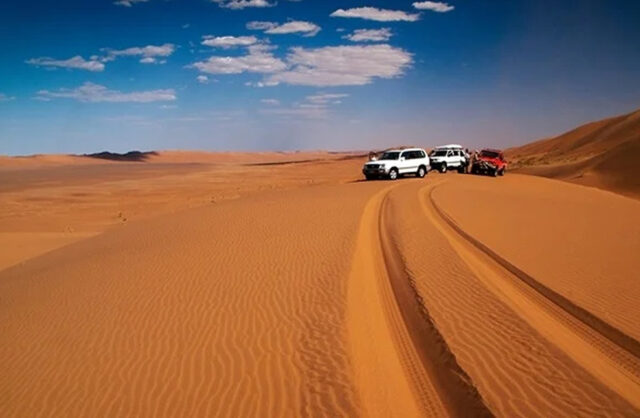
Namibia Desert

Namibia officially the Republic of Namibia is a country in southern Africa whose western border is the Atlantic Ocean. It shares land borders with Angola and Zambia to the north, Botswana to the east and South Africa to the south and east. Although it does not border Zimbabwe, less than 200 metres of riverbed (essentially the Zambia/Botswana border) separates them at their closest points. It gained independence from South Africa on 21 March 1990, following the Namibian War of Independence. Its capital and largest city is Windhoek.

Part 1 : CNN’s Soni Methu explores the magnificent rock formations and ancient trees dotted all over the Fish River Canyon.

Check it out!

Part 2 : The Formation of Africa’s Biggest Canyon.Soni Methu meets Goldbeck who shares his extensive knowledge of Namibia’s Fish River Canyon.

Part 3 : CNN’s Soni Methu takes a mule trail tour to the bottom of Namibia’s incredible Fish River Canyon.

Photo Credit : Namibia Tourism

For information on Travel to Namibia – practical advise, details of accommodation, attractions, going on the safari etc, please check out Namibia Tourism Website.

Let Us Save the Hirola, the World’s Rarest Antelope

0
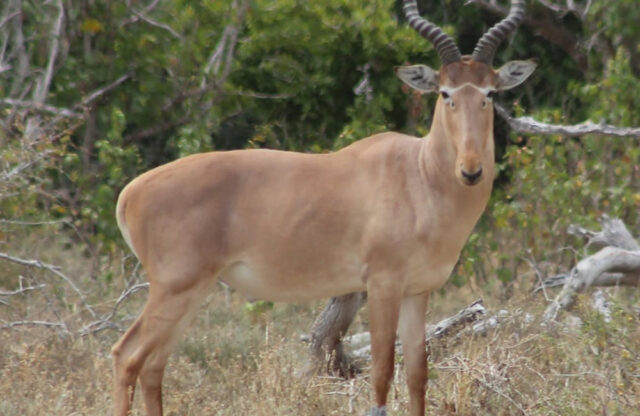
The Hirola Antelope

The hirola is Africa’s most endangered antelope. In fact, the species is fast disappearing off the face of the earth. Also known as the Hunter’s Hartebeest, the hirola used to be found throughout Africa. Today, only a small group remains in northeastern Kenya. In 1976, there were about 14,000 hirola, but a recent survey shows there are only 500 remaining. It is only about 500 hirolas left in the entire world.

What is a hirola, where is it found and how many are there?

The hirola is a rare medium size antelope that can weigh up to 118kg. It’s tawny or tan brown in colour and has long, sharp horns.

The current population of the hirola is estimated at less than 500. This small population is found within its native range, restricted to communal lands along the Kenya-Somalia border with no formal protection. The highest numbers are in Ijara and Garissa County, Kenya.

The hirola is the only surviving member of the genus Beatragus and there are none in captivity.

Why Save the Hirola Antelope?

Among the known reasons for its declining population are heavy poaching, disappearing habitat, (the elephant herds which used to clear the bush creating grazing conditions suitable for the antelope, have also been drastically reduced by poaching in the region), and human settlement encroaching and shrinking their grazing range at an alarming rate.

The Hirola Task Force (whose members, include the Kenya Wildlife Service, World Wide Fund For Nature, African Wildlife Foundation, East African Wildlife Society, Friends of Conservation, National Museums of Kenya, Department of Resource Surveys and Remote Sensing, IUCN-The World Conservation Union, London Zoological Society and Eden Trust among others), formed to save the antelope, has started a project to move some of the animals to a safe haven in Tsavo East National Park, where they can breed under protection.

The cost of translocating and protecting the hirola in its new home is enormous. The Hirola Task Force appeals for donations.

Please send donations to:

The African Wildlife Foundation
Attention Hirola Project
P. O. Box 48177,
Nairobi, Kenya

Zimbabwe Rhinos to be De-horned to Curb Poaching

0
Dehorning Rhinos

Zimbabwe is planning to dehorn its roughly 800 rhinos, a measure aimed at curbing poaching activities in the country. The country has Black rhinos, which are smaller and rarer than the White rhino.

Zimbabwe National Parks and Wildlife Management Authority Board Member, Cephas Mudenda, said the organization was working with two private organizations to complete the programme, with 60 rhinos having been dehorned so far.

“Our strategy is to try and save the rhino. If the poachers know that the rhinos in our national parks do not have horns, they are unlikely to come and kill them,” said Mudenda. He added, however, that dehorning alone wasn’t a solution and more needed to be done to fight poaching.

According to Africa National Parks, the intention is to complete dehorning across the country by the end of the year, both in national parks and on privately owned land.

So far, the exercise has covered Chipinge, Lake Kyle in Masvingo, Lake Chivero in Harare and Matopos in Bulawayo.

NatParks explains that dehorning is costly and it is seeking partners to help fund the initiative.

Good News for Elephants as IUCN Votes to Close Down All Domestic Ivory Markets

0
Elephant Tusk

On Saturday, September 10th world government and NGO representatives voted at the International Union for Conservation of Nature (IUCN) World Conservation Congress in Hawaii urging governments to close down their domestic ivory markets.

Domestic ivory sales in most countries are legal. Many experts believe that domestic ivory markets help fuel poaching by stimulating demand and allowing traffickers a cover for their illegal imports and exports.

A recent survey by Paul G. Allen’s Great Elephant Census (GEC) earlier this month revealed that in just seven years there has been a 30% decline of Africa’s elephant populations due to the enormous demand for ivory.

In response, the IUCN, which has 1,300 members from more than 160 countries, voted in favour of closing domestic markets by an overwhelming majority of 91%.

This was in spite of fierce resistance from South Africa, Namibia and Japan – the latter with a thriving domestic ivory market of its own – who threatened to walk out of the debate and resign from the IUCN in protest.

The three countries then sought to soften the language of the motion by insisting on no less than 20 different amendments. All were rejected.

“This is a huge boost for elephants,” says Rosalind Reeve, senior advisor to the David Shepherd Wildlife Foundation, which has been actively campaigning for the closure of domestic ivory markets.

But although the motion urges countries with domestic ivory markets to take all necessary legislative and regulatory efforts to close them, it is, however, non-binding meaning that governments can opt to ignore it.

“The real decisions to protect elephants,” says Vera Weber, President and CEO of Fondation Franz Weber “will take place at the CITES conference in South Africa later this month. We hope the IUCN vote will motivate delegates at the CITES conference to adopt resolutions submitted by the majority of African governments”.

Twenty-nine African nations known as the African Elephant Coalition have submitted a suite of five complementary proposals that, among others, calls for a complete closure of domestic ivory markets.

“If these proposals are adopted by CITES,” says Weber, “it will comprehensively prohibit commercial sales of ivory for good, and hopefully halt the catastrophic decline of elephants.”

US Bans Commercial Imports of African Elephant Ivory

0

The United States has banned the domestic trade of elephant ivory as part of a new drive to help African countries stem the rising threat to wildlife from poachers.

The White House administrative action prohibits all commercial imports of African elephant ivory, including antiques, and all commercial exports, — except for bona fide antiques and certain other items.

This is because poaching has risen sharply in Africa in recent years where, besides targeting rhinos, gangs have slaughtered whole herds of elephants for their tusks.

A statement released by the White House on Tuesday says the ban is “the best way to help ensure that US markets do not contribute to the further decline of African elephants in the wild.”

It ordered federal departments and agencies to immediately take actions to, among other things, clarify what constitutes an antique.

“To qualify as an antique, an item must be more than 100 years old and meet other requirements under the Endangered Species Act.”

The crackdown on ivory is a key aspect of a new national strategy for combating wildlife trafficking.

Latest Updates