Home Blog Page 4

All About Gorillas

0
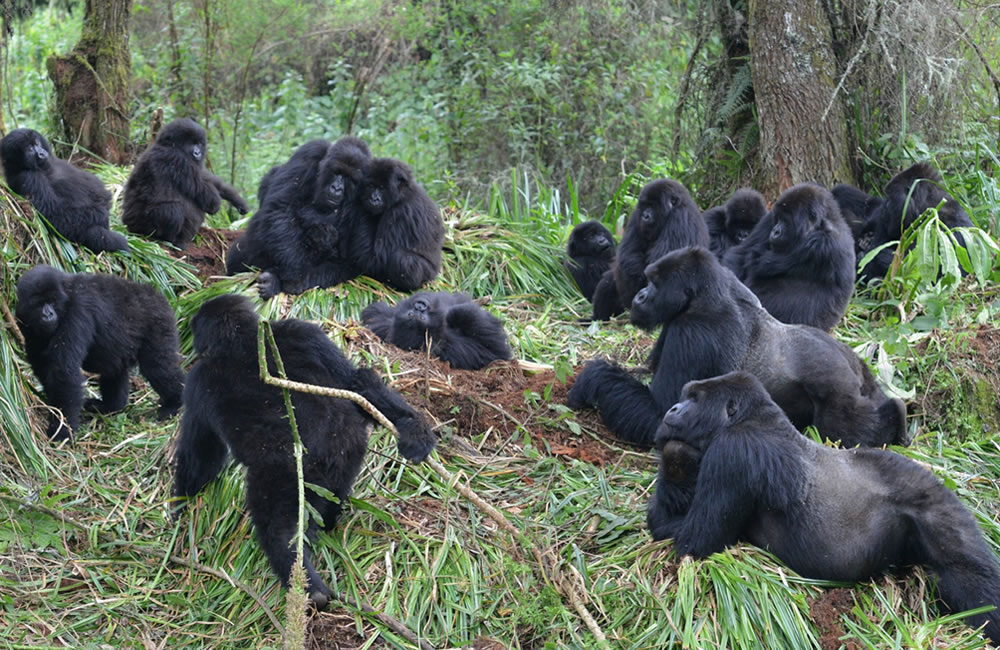
Rwanda Gorilla Family

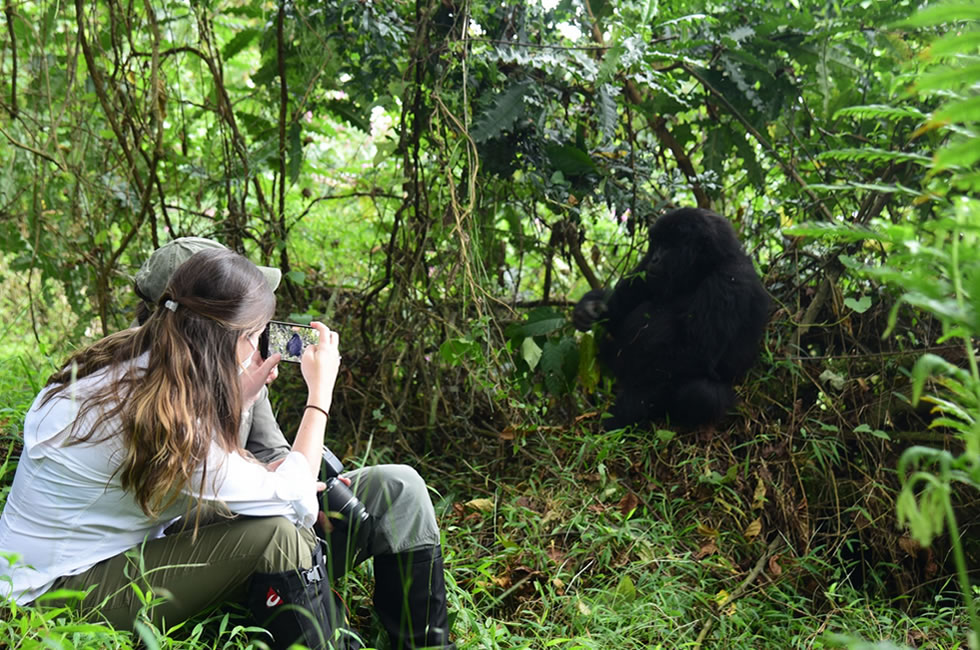
Gorillas like human are curious, they can be bored, bold, annoyed, have pleasure, excited, afraid, can worry, show affection, be thoughtful and they can be hostile. Gorillas like to study people to see if they are friendly.

Gorillas are threatened primate species in the world with the remaining living in Africa and in countries Uganda, Rwanda and Democratic Republic of Congo. Known to be the largest living primates on Earth, Gorillas are of three kinds;

  • The Eastern Gorilla (with two subspecies; the eastern lowland gorilla which reside in the Democratic Republic of the Congo and the mountain gorilla which lives in Uganda, Rwanda and the Democratic Republic of the Congo. ;
  • The Western Gorilla (with two subspecies; the western lowland gorillas which is widespread in several countries in West Africa and the cross river gorilla that lives in Nigeria and Cameroon)

The Mountain Gorilla

Listed as one of the top 10 threatened / endangered species, there are about1080 species remaining. There are approximately 600 mountain gorillas that live in the Virunga Mountains of Rwanda, Uganda and Congo and another separate group of 480 in Uganda’s Bwindi Impenetrable Forest. There are no mountain gorillas living outside of their native mountain forest home. Gorillas are protected by international law. Capturing or killing gorillas and other endangered species is illegal.

Gorillas Are Territorial

Unlike chimps, gorillas live in groups / families without territorial boundaries but with family’s range from 2 to 15 square miles. The females decide who they are going to allow into their family. If a gorilla wants to join another group and the females do not want her in, they will scratch her in the face and keep her out. If a female wants to leave a group to find a male she likes better, but the other females like her very much, they will grab her by the legs and not allow her to leave.

Female gorillas weigh approximately 350 pounds and adult male gorillas can weigh approximately 700 pounds. Adult gorillas can be seven feet tall with an arm span of 8 feet.

Gorillas feed on 58 different types of plant species, including stems, roots, leaves, flowers, thistles, ferns, tree wood and bamboo shoots. Gallium vines, fruits and celery are their favorite foods. Gorillas have much larger teeth in the back of their mouth than humans do so that they can grind foliage, bark and bamboo.

Gorillas like human are curious, they can be bored, bold, annoyed, have pleasure, excited, afraid, can worry, show affection, be thoughtful and they can be hostile. Gorillas like to study people to see if they are friendly.

Gorillas communicate by stomach rumbling which means they are contented, a pig grunt of harsh staccato grunts used when disciplining or complaining. A roar or scream is given when a gorilla is threatened. A loud hoot or roar is given when silverbacks are interacting. This is done by chest beating and thrashing of trees. When gorillas are afraid they send out a powerful odor from their glands.

Having endured decades of civil war in Central and East Africa, gorillas are confronted by the devastating consequences of increased habitat loss, poaching for the bush meat trade and the spread of dangerous diseases like Ebola. “These animals are Threatened” therefore make a tour to these countries to have a look at the few remaining primate giants before they are lost. Spend some time with them, they are awe-inspiring.

The Gorilla Trekking Activity

On this day, in the morning you wake up to a breakfast and then transfer to the park headquarters for the briefing before you set off at 9:00 am through the tracks to search for the humble giants. You have to go with packed lunch as the time taken to before meeting the great apes is un predictable. However the time ranges between 2-9 hours depending on the movement of the giant primates (Gorillas). The activity is tiresome, it involves walking along steep hilly tracks however encountering these great relatives of man erases all the poor memories/ hardships you went through in trying to find them.  They are awesome!

There are gorilla safaris arranged by several tour operators operating in Uganda, Rwanda and the Democratic Republic of Congo. On a gorilla safari you will learn more about these great apes that are found in Africa.
The 10 Best African National Parks

0
Masai Mara Wildlife

Africa’s leading Africa wildlife national parks in Tanzania, South Africa, Kenya, Botswana, Uganda, Zimbabwe, Zambia, Gabon and Namibia. If you are you’re searching for the perfect safari which you are guaranteed to view the “Big Five” you cannot make a mistake by choosing to visit the below choices.

1. Chobe National Park (Botswana)

Chobe National park sits in Botswana’s Okavango Delta and covers 4 unique Eco-systems. The Savuti marsh specifically provides most of the highest concentrations of wild animals in Africa year around. Chobe holds around a hundred and twenty thousand elephants, which you will easily spot while on a safari.
The ideal time to tour Chobe National park is between April and October, the dry, cool winter season. Herds of zebra, eland, buffalo, giraffe and wildebeest congregate around the Savuti marsh this period of year. Chobe National park can be reached by car that makes it slightly less costly compared to several other Botswana National parks. There is a number of hotels to meet every budgets, you may also book a houseboat.

2. Masai Mara Game Reserve (Kenya)

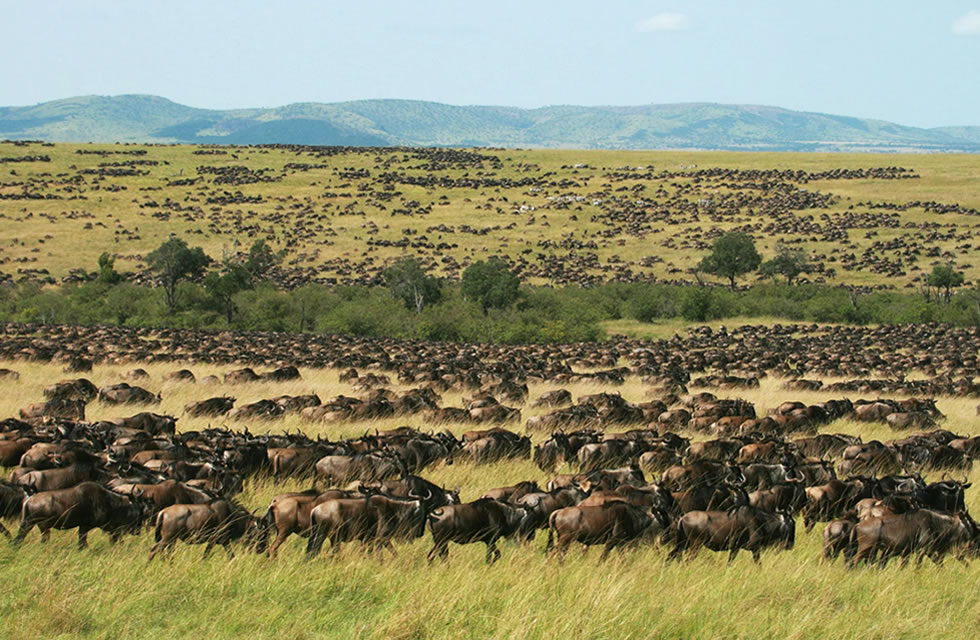
Kenya is Africa’s preferred safari getaway destination and Masai Mara Game Reserve is the well-known wildlife reserve in Kenya for its abundant in wildlife and the annual Great Mara Migration. The Mara Migration starts from around July – October where you will experience the extraordinary migration of millions upon millions of wildebeest with zebra migration from Serengeti National Park to Masai Mara Game Reserve. A visit to the Masai Community will make your safari more authentic cultural excursions which will certainly complement your adventure.

3. South Luangwa National Park (Zambia)

Home of the “walking safari” South Luangwa National Park in Zambia provides a real African adventure. There’s abundant wild animal in addition to over four hundred variety of birds life. The Luangwa River is stuffed to the brim with hippos if you are fortunate you will see prides of over thirty lions at any given time. There is sixty distinctive animal species also over four hundred distinctive bird species residing in the National Park.
South Luangwa provides both the budget and luxurious safari holiday accommodation. The ideal time to tour is during the period of the dry season from April to October. Close to the completion of the dry season of the year, the wild animals basically concentrate on around the left waterholes, that makes for an awesome safari.

4. Kruger National Park (South Africa)

Kruger National Park in South Africa offers one of the best wildlife experiences with the largest number of wild animals in Africa that features the Big Five, crocodiles, hippos, cheetah and more wild animals. Kruger is among the best controlled parks in Africa therefore it’s perfect for a self-drive safari.

5. Serengeti National Park (Tanzania)

The Serengeti National Park in Tanzania gives the authentic typical African safari environment for the traveler to enjoy and relax in the wild. The grasslands creates the Serengeti National Park magnificent for discovering lions hunting as one can easily lion kills as can easily see the entire spectacle visibly. It is a destination worth visiting while in Tanzania.

6. Etosha Natonal Park (Namibia)

Etosha National Park is Namibia’s best wildlife tourist destination. Etosha National Park is the habitat for Africa’s tallest elephants, the endangered black rhino, together with ninety one additional variety of of mammal. Etosha is particularly loved by photography enthusiasts in the dry period who flock to the waterholes to capture those captivating and spectacular pictures. The majority tourists to Etosha National Park will find an abundance of giraffe, elephant, lion, and rhino as well as have an excellent opportunity for viewing cheetah, leopard, in addition to a wide array of variations of birdlife. Etosha National Park does not have scheduled game drives, it is a self-drive safari adventure. However there are various fantastic upmarket holiday lodges and camps to choose from absolutely outside the park boundaries in secluded reserves, where guided safaris represent the package.

7. Bwindi Impenetrable Forest (Uganda)

Bwindi Impenetrable Forest in Uganda is the habitat for nearly fifty percent the world’s population of mountain gorillas. Apart from providing amazing surroundings to gorilla tracking, you may also spot chimpanzees and a lot of different mammals. Bwindi is designated a World Heritage Site.

8. Okavango Delta (Botswana)

The Okavango River passes through the main of Botswana’s Kalahari Desert, making a distinct inland water system that provides life to hundreds of birds and mammals. The Okavango is an awesome safari vacation destination since you can easily see a lot of the wild animals from a conventional canoe. Annually the delta floods covering up over sixteen thousand Km’s. The ideal season to check out wild animals is at the optimum of the flooding, in the dry season from May to October. The wildlife is substantially more concentrated on islands at this stage, so it’s consequently much easier to view them. Since the flooding recedes, fresh vegetation springs up additionally the wild animals scatters to feed. There are various holiday lodges dotted around in addition to luxurious safari camps, many provide walking safaris.

9. Hwange National Park (Zimbabwe)

Hwange National Park in Zimbabwe is a customized favorite of mine because of its abundance of elephants, giraffes, and lions as well as 105 other mammal species. Hwange also offers among the biggest populations of wild dogs left in Africa. There are a number comfy holiday lodges to stay at for reasonable price. The park is close to one of the world’s greatest natural wonders — the Victoria Falls.

10. Ngorongoro Conservation Area (Tanzania)

The Ngorongoro Conservation area in Tanzania spans vast expanses of highland plains, savanna, savanna woodlands and forests, it contains the world’s biggest crater which acts as a natural enclosure for nearly all varieties of wildlife located in East Africa. The Masai still live within the conservation area, and it’s also residence to Olduvai where a good amount of man’s first remains have been found.

Hunting Birds

0

When we think of predators of Africa we think of the great cats and wild dogs and forget that there are predators amongst the other groups of animals such as birds. Oxpeckers feed on paraites and dry skin, but will often be seen grovelling in the noses of some species such as the buffalo.

How to Go Gorilla Trekking in Africa on Budget

0
Gorilla Trekking

An encounter with the mountain gorillas in the wild deep in African rain forests is quite ultimate and magical. This experience with the astonishing human like creatures normally lasts for an hour. Mountain gorilla tracking in Africa is only done in three countries inclusive of Uganda, Rwanda, and Democratic Republic of Congo. Only an approximate number of 1000 critically endangered mountain gorillas are known to be thriving in the rain forests of Bwindi Impenetrable Forest and Mgahinga national park of Uganda, the Virunga national Park in Congo and the Volcanoes National Park in Rwanda.

For any option you choose, gorilla tracking is extraordinary and unforgettable experience though quite costly in some destinations like Rwanda and has been suspended in Congo’ Virunga National Park due to insecurities till 2019. This has given Uganda an opportunity to offer luxury and budget gorilla safaris to travelers who find their way into this country.

Below are the ways on how one can trek gorillas in Africa, with reference to Uganda, giving both luxury and budget alternatives.

At first, consider traveling in the low seasons, since gorilla trekking safaris are expensive which is true, consider traveling in the low seasons where almost all players in the industry mostly those in national parks tend to subsidize their services, these include accommodation facilities, destinations / sites, craft centers, among others.

In the months of April, May and November, these are low season months when the country receives few tourists therefore, most safari lodges in Uganda tend to reduce on their room rates, as well as Rwanda which introduced a 30% discount on its permit cost, but on condition that a visitor spends 3 nights and visits any of the 2 other national parks.

For any traveler to have a successful budget gorilla safari. You have to put it in mind that traveling as a group is better than alone, this is very possible since there is sharing of costs in terms of transport, accommodation, fuel, guides or even individual stuff like souvenirs. But one of the best ways to do it is always to inquire from a genuine travel operator for advice or include you in their scheduled group tours.

Usually, the peak season includes months of January, June, July August and December, so if you intend to travel during this season for gorilla tracking, it is advisable to book your gorilla permit earlier. This will help in making necessary arrangements when it’s early enough. This is due to the fact that in peak season lodging facilities tend to get occupied to full capacity and even hike their prices.

In the essence of traveling, it is well and clear that people traveling in groups face limited costs compared to solo travelers; however much are some cost factors which will always remain constant at an individual basis. To go gorilla trekking on a budget it is recommended to join scheduled groups or come along with friends or family members.

Entrance fees. These are some of the costs one will meet when planning to gorilla trekking in Africa as well as accommodation costs and in most cases these are the constant costs and it’s upon the traveler to understand them. Consider lodges outside national parks so you can cut extra costs when relaxing at the lodge or stay at the lodge when not doing any activity in the park.

In order to enjoy a low budget gorilla safari, take up quite some time on considering the number of other activities you would like to spend time in. This includes categories of accommodation that choose to stay in while at the destination, and other activities you would do after tracking gorillas tracking gorillas and ascertain if they are price affordable, for example, boat cruises, nature walks, evening cultural tours, etc.

See the Big Five Animals in South Africa

0

The term ‘Big Five’ originated among the hunters of a bygone era to describe not the largest of the animals that they hunted, but the most dangerous.

These are lion, leopard, elephant, buffalo and rhinoceros. Every one of these animals has a reputation for pursuing its attacker with intent to kill. Perhaps the most persistent is the buffalo, which will ceaselessly pursue his aggressor, making hunting a life-or-death experience for the hunted and the hunter!

All of these mammals are to be found in South Africa, making this country one of the most popular locations for safari style holidays.

Indeed, South Africa has embraced this rich wildlife heritage and welcomes visitors from all around the world who come to experience close encounters with the magnificent beasts. Many of our game lodges offer the most luxurious accommodation and facilities available for ‘bush’ holidays in the world.

The Sabi Sands Game Reserve in the Mpumalanga province, for example, is arguably the most exclusive game reserve in the country. With no fences existing between the Kruger Park and Sabi Sands, the wildlife roams free between the two reserves. Leopards are the main attraction here, and these awesome creatures are so accustomed to humans that you can even follow them while hunting, in an off-road vehicle. All of the Big Five can be viewed at Sabi Sands.

Other well-known and excellent reserves around the country where one can view the Big Five in South Africa include the world-renowned Kruger Park in Mpumalanga and Limpopo Provinces, the Pilansberg Game Reserve in the North Western Province, the Kgalagadi Transfrontier Park in the Northern Cape and the Hluhluwe Umfolozi Game Park in Kwa-Zulu Natal.

Visitors who are confined to the Cape Town area are often under the impression that they will be unable to view the Big Five. However there is a reserve only 90 minutes from the centre of Cape Town, Aquila, where one can view four of the Big Five. Self-drive or guided drive tours are available from Cape Town – even one day tours are possible, although you may well wish to stay overnight in the appealing accommodation set in 4500 hectares of pristine Karoo landscape. The terrain is varied – from mountains and valleys to wetlands – ideal for game viewing be it in a 4×4 safari vehicle, on horseback or even by quad-bike. Aquila is home to four of the Big Five animals: lion, buffalo, rhino and the rare Mountain Leopard. You may also spot and giraffe and hippo, not to mention herds of wildebeest, zebra, springbok and other bucks, plus baboon, jackal and the bat-eared fox.

What with the wetlands, you can expect a wealth of bird-life viewing to complete your safari experience – all so close to Cape Town!

Those who can travel as far as the Eastern Cape – a pleasant day’s drive along the beautiful Garden Route – can also view the Big Five and other species of game at the excellent Addo Elephant Park and Shamwari Game Reserve – both well-worth the visit for game lovers.

A safari holiday to South Africa is often considered incomplete without sightings of the Big Five. These days most people are content to take home photographs of the living animals rather than skins and hunting trophies. However there are legal hunting reserves for those who feel the need.

Experience a Conservation Safari in Manyara Ranch

0

Opened in June of 2010, Manyara Ranch Conservancy is the result of long-term conservation efforts undertaken by the African Wildlife Foundation, aimed at securing the vital kwakuchinja wildlife corridor that leads to Tarangire National Park.

The conservancy is privately run by Mantis Limited whose owners have many years of experience in the safari industry in Tanzania. The result is a low-key but high quality and exclusive destination. More information can be found on www.manyararanch.com where photo galleries, downloads and a frequently updated blog help promote the facility.

Manyara Ranch Conservancy works with key safari operators to expand their product offerings to include a more participative safari experience.

A Safari in Murchison Falls National Park

0
Murchison Falls National Park

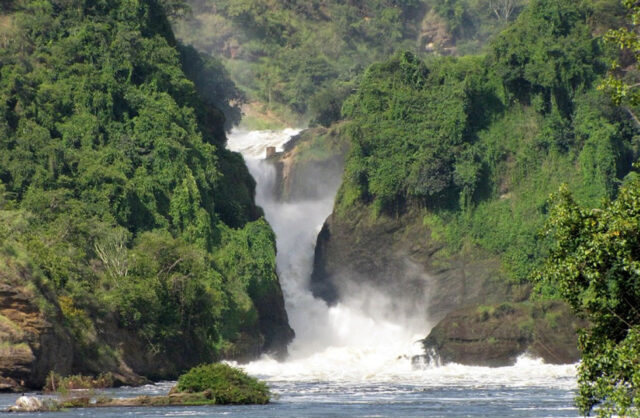
Driving towards the northern side of Uganda via the Luweero triangle is Murchison falls, Uganda’s largest national park covering an area of about 3840 square kilometers and the home to almost all the big cats, elephants, buffaloes, antelopes among other animals.

Located in the Albertine rift valley where the beautiful Bunyoro escarpment meets the doted savanna. Its Uganda’s oldest conservation area since it was first gazetted as a game reserve and later to a national park. Its home of over 76 species of mammals and over 451 bird species.

Areas of interest with in the Murchison Falls Park

Murchison Falls

These falls are comprised of a war between the rocks and water. The waters violently penetrate through a very narrow gorge spraying their droplets of about a 50metre radius. This creates a very nice looking rainbow over the battlefield. From the baker point on the southern side, you can also get glance at the Nile splitting into the small Uhuru falls that was created in 1962 when the river burst its banks. At this point you just appreciate that nature is the only thing should not even be tampered with.

Paraa

The word Paraa means “home of the hippo” in the Luo language and this is the parks hub. All the access roads of the park just converge here. Several accommodations are located here, a small museum and a gift shop is also located here and most game drives, nature walks and launch trips start or commence here. All along if you have been wondering where you can view all the hippos behavior, Paraa is just the place to be at the Murchison Falls National Park.

Karuma falls

Located in Chobe the north eastern side of the park, these charming water falls of the Victoria Nile are made up of a series of rocks which cause the waters to ripple making them look in a foamy white appearance. It is really an ideal spot for sport fishing. For the honey mooners, oh my God, guess what awaits you, it is one of Africa’s most beautiful and spectacular lodges, The chobe lodge. This is just a magnificent experience and you just can’t miss it.

Kaniyo pabidi forest

In the southern side of the park, is this small amazing forest that harbors the colobus type of monkeys, olive baboons and a habituated chimp group which can be tracked. The great elephants and the leopards are also very frequent visitors to the forest including the beautiful birds like the chocolate backed kingfisher, white thorned horn bill and the puvel’silladopis that is found nowhere else in the whole of east Africa. The forest also has a campsite for camping, forest walks and good bird watching.

Rabongo forest

Surrounded by grasslands, the forest is a good place where most birders have their paradise, with the endangered species of birds. The visitors can also enjoy camp fires and relaxation on the banks of the waringo river.

Buligi game tracks

Lying between the Albert and the Victoria Nile, it’s one of the Murchison’s popular safari destinations covering an area of about 120 to 170 km in length. The tracks try to pass though the savanna grassland, acacia and the river rine vegetation. Most of the parks wildlife can be viewed here most especially in the early morning and the early evening hours

River Nile

The meaning stills comes out that it’s the longest river on the planet because you can view its source in jinja but still find on its way to the Mediterranean at Murchison falls. The boat cruise along the river is the greatest experience for the nature lovers when they have a great view of the mammal, birds, reptiles and the guided nature walks.

However, unlike other parks, Murchison falls also has got some areas of attraction outside the park and they are also worthy to pay a visit to for example the Budongo forest that harbors almost 800 chimpanzees and a variety of beautiful birds. Forest walks are very possible at Busingiro eco-tourism site on the Masindi- Bugungu route to Murchison falls national park. The olive baboon is also another attraction that are common along the road routes. Please make sure that your car windows are closed if you don’t want to loose your spicy lunch to these funny creatures. You will not also miss the savanna dwelling patas monkey is also found here.

Activities with in the park

Launch trips

The launch trip that starts at Paara gives you an astonished and wonderful experience where you have to have a frontal view of the falls. The launch mainly departs at 9am and 2pm daily and takes three hours. And for the birders, the morning cruise downstream the Nile delta provides the best chance to view the African shoe bill and the return gives you a fantastic view of the hippos, elephants and the birds.

Sport fishing

On the banks of the Nile below the Murchison falls, a memorable experience of sport fishing is also awaiting you and you will get a chance to see the Nile perch that go as heavy as even 100kilogrammes. The fishing is permitted in the designated places and your required to book before and come with your own equipment and also secure a permit from the Uganda wildlife authority.

Chimpanzee tracking and habituation

At the Kaniyo Pabidi, you will also get chance to track theses close relatives of man. The track takes about 3 to 4 hours and it is limited to a group of visitors and takes about a period of one hour watching these chimps play, eat and interact. This is just also a memorable experience at the park.

Game drives

Along the buligi tracks, you will also be able to view all the animals on your way like the lions, reedbuck, bushbuck, buffaloes, giraffes, duikers. With the help of the guides, you will even be able to spot the leopards at dusk. They mainly start in the morning and the afternoons.

Birding

Both the game drives and the launch trips can make you able to view the various species of the birds in the park. The commonest species found in the Albertine region include the Abyssinian ground hornbill, black bellied bastards,open billed storks, widow birds among others, closer to the river, you can also be able to have a glance at the malachite king fishers, francolins, hornbills, woodpeckers, cuckoos. However the park’s main birding attraction is the shoebill that is best sighted in the dry season from January to march.

Other activities include the nature walks and hiking in the Budongo forest outside the park and the Rabongo forest, bush camping and the Mubako cultural campfire performances among other activities

The accommodation is also a memorable and astonishing experience at one of Africa’s most beautiful lodges known as the Chobe lodge, the Paraa safari lodge is also another place that is a must to be

What is Allowed in Game Reserves and National Parks?

0

There are two differences between natural parks and reserves, in the former only visitors have allowed entrance and in the latter people can feed their animals and there could be human settlements within. The local tribes happen to be the main human activity inside the parks. These zones are ruled by Kenya Wildlife Service (KWS), an administration meant to protect wildlife. On the other hand, local authorities are in charge of the reserves. The direct consequence is that only inside the parks the data given by KWS is applied- For example, Masai Mara and Samburu have got different situation because they are reserves.

We interfere with nature at the same moment that we get in one of these territories and because of that our presence must leave behind the tiniest trace. The parks are meant to conserve the habitat they contain and this we should respect every moment of our visit.

One of the most important norms of all is that we should not disturb the animals under any circumstance. We should avoid making loud noise, to light with flashes or any sudden movements that could scare them away, given that is them who are in their natural habitat and they have got the right of moving freely as well as enjoying their habitat. We can be ignored if we stay inside the car and from there we can take pictures quietly.

Additionally, we should always drive inside the paths prepared for that purpose and nowhere else because the wheels damage the ground. Also, we must drive exclusively inside the allowed zones, there are many reasons for cutting any path. As well as in the zoos, we should not feed the animals, because our food could harmful to them and feeding them can alter their behavior unexpectedly. We should never forget we are dealing with wild animals.

We should leave no piece of garbage and making fire is not allowed because either way we could damage the local environment. Plus, we have to respect the other visitors, especially if they are observing animals. The maximum speed allowed is 40 km per hour so that we don’t make excessive noise and damage the ground, either. There are places where it is not allowed to get down from the car for safety reasons.

We should take care of the animals because sometimes they can defend themselves from what they understand as an aggression. We should also use only the allowed places for entering and leaving the parks as well as respect the schedule. We should not buy animals products, which are illegal, so that we do not support furtive hunting. We are not allowed to go to the parks with domestic animals to avoid propagating diseases and to prevent from predators. In the marine parks many of the rules are the same than in current parks, we are allowed to fish within certain conditions.

Traveling with kids implies additional issued, in Treetops and The Ark they should be at least seven ages, and in Mount Kenya Safari Club their own dining room and schedule for the meals. Frequently, being with many kids can disturb the other visitors, specially because of the large trips by car. For this reason, there special family safaris we can choose.

Chimpanzee Tracking in Nyungwe Forest of Rwanda

0

Nyungwe National Park is largest in Rwanda with a variety of primates.  One of the oldest rain forests in Africa, Nyungwe is rich in biodiversity and spectacularly beautiful. The mountainous region is teaming with wildlife, including a small population of chimpanzees as well as 12 other species of primate, including the L’Hoest’s monkey endemic to the Albertine Rift.

Nyungwe National Park is known for protecting a variety of primates but Chimpanzees and Colobus monkeys are the only primates which are trekked officially. Nyungwe National Park is situated in South Western Rwanda (4-5hrs drive).  Nyungwe National Park is known for protecting 12 primates include Blue Monkeys, L’Hoest Monkeys, Owl- faced Monkeys, olden Monkeys, red- tailed Monkeys, Crowned Monkeys, Dent’s Mona Monkeys, Velvet Monkeys, Olive Baboon and Grey- cheeked Mangabeys and so on.

Chimpanzee trekking is the major tourist activities in Nyungwe National Park and a large number of people attend the activity everyday: The activity begins early morning with briefing and since chimpanzees in Nyungwe are semi habituated, trekkers wake up early and starts walking in the forest to look for them.

Before going for chimpanzee tracking in Nyungwe, the trekkers are equipped with the following rules and regulations governing the activity:

  1. Avoid flashing cameras during chimpanzee trekking. Flashing cameras scares chimpanzees and you can fail to enjoy it.
  2. A maximum of eight people is allowed to visit each habituated chimpanzee troop.
  3. Only an hour is given for trekkers to stay with chimpanzees.
  4. Always follow rules and regulations as guided by rangers
  5. Do not litter in the park
  6. Avoid looking direct in the eyes of the chimpanzees.
  7. Turn away from chimpanzees when sneezing or coughing
  8. Always keep a distance of 7 metres away from chimpanzees

The guests will then start the search for the chimpanzees in Nyungwe National Park and along the way, expect to see other primates, birds, tree species, Rivers and so on.  Meet chimps, stay with them for a maximum of eight people and thereafter, return to the park headquarters to end the trek.

Reasons why you should Trek chimpanzees in Rwanda

Cheap chimpanzee permit- compared to Uganda, Rwanda offers relatively cheaper chimpanzee trekking at US$150 compared to Kibale National Park permit at US$250. Therefore you can consider going on a safari in Rwanda and get to see chimpanzees in the wild.

Other primates – Nyungwe National Park is the only home for chimpanzees in Rwanda. While trekking chimpanzees in Nyungwe Forest, guests are thrilled with the view of other primates like Vervet monkeys, blue monkeys, Colobus monkeys and mona monkeys among others.

The Unique Canopy walk way – trekking chimpanzees in Rwanda’s Nyungwe National park highlights your chances of enjoying canopy walk. Canopy walk way enables guest do birding near the canopies (birding up close).

Convenience of Nyungwe National Park – the roads are clear and its 5 hours drive from Kigali Airport to the park. On the way, expect to have en route stopovers to see a variety of attractions like Nyanza King’s palace, Butare Museum, Murambi Genocide Memorial museum, Lake Kivu among others.

Chinko Wildlife Experiences in Central Africa

0
Chinko Wildlife Experience

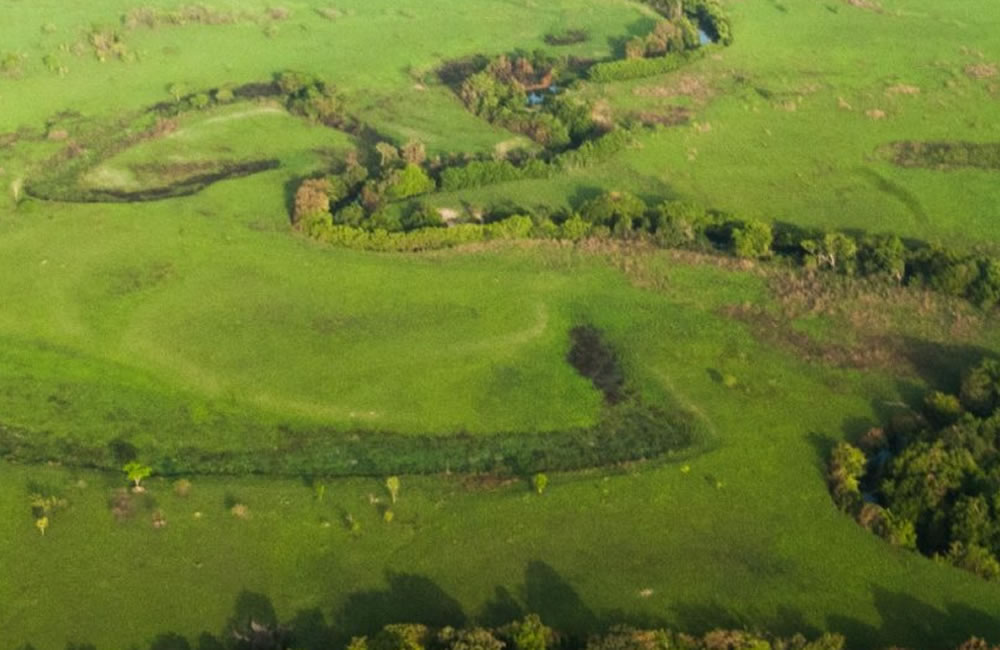
There is something very exclusively beautiful about the Central African Republic. This region in Central Africa is a land with absolutely no human encroachment and is the place where the Congo rainforest meets the lovely picturesque hills and also the savannas in the north. Stretching from the beautiful streams and the lovely majestic mountains, this region has the Rivers Chinko, Mbari, and the Vovodo flowing through the region. These rivers flow across the most fantastic swamps and the most mesmerizing plains.

Spanning an area of around two million hectares in the middle of the best kind of verdant expanse, Chinko is a lovely place where one would surely get the best visual delights. Natives have never hunted this place and even if it is very far away yet, the area is very special and thus also increasing the interest of the tourist here. So forest hunting and savannah sights are very unique here so you could be ensconced in the surroundings of the best wildlife pleasures. This is truly an adrenalin rush experience and the entire place is replete with the most vivid travel luxury.

The adventure tours here are so arranged that most of your experiences would be filled with excitement and thrill. So if you want the experience of true wilderness and want to have an unforgettable experience then come here to the land of Kocho and enjoy the best ever wildlife experience.

Chinko is the main region, in the camping pleasures of Central Africa and is located on the River Siriri. Situated in the center of the hunting area and is around half an hour from the airstrip this is a great location to begin your adventurous escapades. The luscious green vegetation and absolute presence of equatorial forests here is a total amalgamation of savannah and the best green zones in this part of the world. The entire camp breathes in peace and is laden with the most memorable adventure ecstasies.

There are bungalows here where you can live and this experience of being in the most private zone with the comfort of living with ease makes the presence of the natural ambiance even more magical. The bungalows are constructed with woven grass mats and burnt bricks and have a bedroom and a bathroom too. There are toilet facilities and also provisions for a cold or hot shower. There is a sink which overlooks the lovely river. Light facilities are also provided for the tourists who like the special experience of burning the oil lanterns. Today however you have 220-volt lamps which give light to the tourists.

There is a dining mess is located at the meeting point of the Chinko and the Siriri. This gives a fantastic view of the banks on the other side. On this side, there is a saltlick which totally attracts the bushbucks, waterbucks, baboons, warthogs, and many other such special living beings. There is a dining area which is a natural granite rock that is in the center of the water which is joined by a wooden bridge. There is a campfire that is lit here and as the sun sets in the evening, the trees and the stars seem to be in tandem with each other.

There is a greatly convenient bar which gives the much-needed refreshment that the tourist needs at noon and so the hunters who come back from the camp after a hard trek enjoy the relaxation that they get here in the bar. They have their favorite drink and with the campfire in front the entire experience is unbelievable. Hear the hyena laugh and enjoy the entire experience.

The Chinko camp in Central Africa is not just a hunting camp in the midst of greenery but is a great Eden of adventurous pleasures. The hunter as well as the non hunter enjoys his experience here and so it is a great idea to be in this part of the world and enjoy the wildlife travails here.

Latest Updates